How to Choose a Bag for a Brick Convention
Choose a bag for the public exhibition and plan how boxed purchases will make the trip home.
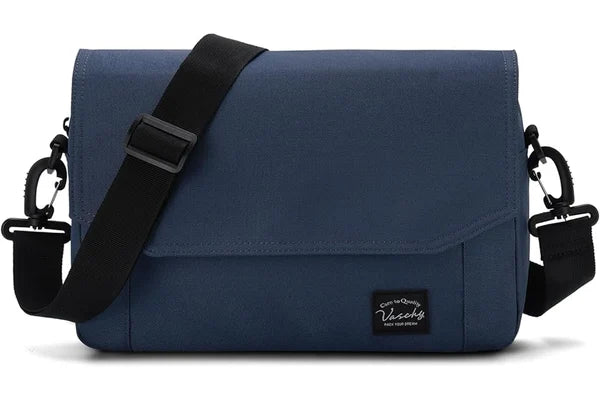
The bag that feels right for a lap of the display hall may be too small for the set you decide to buy. A compact messenger makes sense when you're there to browse the displays and you need only a ticket, phone and a few personal items. A backpack can make the walk easier when you're also carrying a family layer, a water bottle if permitted and a small boxed purchase. Check the event's bag rules, then choose what you'll carry in the exhibition hall and how you'll get anything you buy home. The two jobs may need different carriers.
Check which part of the event your ticket covers
Public exhibitions and full conventions may have different hours, entrances and activities. The Brick Realm Expo visitor FAQ distinguishes the public day from a longer convention pass and tells visitors how to present their confirmation. It also discusses personal bags and possible checks at its event. Use your own organizer's instructions for the event and date you booked. An exhibitor's packing list for loose bricks or models is a poor starting point for a family there to look.
Open the booking confirmation before leaving home. If the organizer accepts a digital ticket, make sure you know which screen to open and whether the ticket must be shown in a specific app. If the organizer accepts print, keep the paper in a folder or pocket you can reach while waiting in line. Assign one adult to present the family's tickets if the event allows it. There is little reason for a child to carry an entry document that an adult will have to find at the gate.
Check what the venue admits as well as what the organizer permits. Ask whether there are size restrictions, inspections or limits on outside food and drinks. See whether your ticket permits you to go back in after leaving. If it doesn't, the plan to put purchases in the car and resume browsing may not work. You can still buy at the end or ask vendors how purchases can be collected.
Pack for the space next to a display table
Set your usual kit on the counter. A phone, keys, payment method and any personal essentials that actually need to be with you can be enough. For a child, bring the items you use during an outing and any layer that your plans call for. Decide who will carry each one. A single adult carrying all the extras needs a different setup from two people with small bags.
Before you leave, walk between two chairs with the loaded bag on. Turn to let someone pass and lean slightly as if looking at a model, while keeping the bag clear of the furniture. Watch where the bag moves when you turn. If a bag swings ahead of you when you turn, adjust it or hold it close when permitted. Follow directions from volunteers about how far back to stand and which displays can be touched. A compact bag helps you stay aware of the table edge.
Give your phone a home after you take a picture. Check whether the event allows photos, and ask before capturing a person or a display if rules are unclear. The bag should close again without looking through purchase receipts or a loose collection of pieces. Keep anything small you buy in its original pouch or a closed compartment, then check that the pocket is zipped before moving on.
Plan for a boxed purchase before you get to the vendor
If you have a particular set in mind, look for the package dimensions or ask the seller. Compare all three sides with the bag when it already contains your essentials. A long narrow box might clear the opening but stick up past the zipper. A short, broad one might get through only when turned on its corner. Test with an empty box of similar shape and keep the items you bought protected by their own packaging. The bag does not give a box impact protection.
BrickCon's description of its public exhibition includes access to a vendors hall. What vendors offer and how they package purchases varies. Check whether a seller can hold a large purchase while you visit displays, whether there is a pickup point, and what the venue allows on the route out. If you can't confirm those options, plan to carry the box in its original package or an appropriate separate carrier after the last display.
If you came by transit, test that last leg too. You may need one hand for a fare, a door or a child's hand. A box that is easy to pick up from a counter can be awkward on the walk to a station. Size the purchase to the trip or ask about an appropriate delivery option. A larger day bag won't fix a carton you can't reasonably carry through the rest of your route.
Choose the messenger for a short public visit
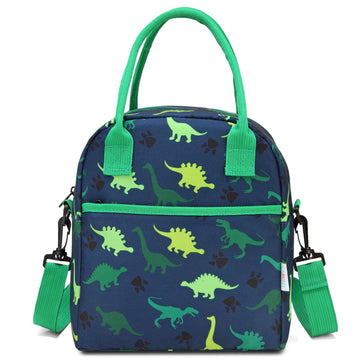
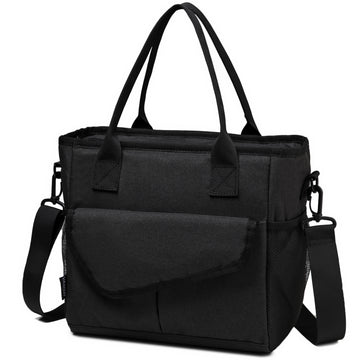
The Vaschy Classic Lightweight Messenger Bag is listed at 5.4 L, with a front flap, a zippered closure and small-item organizers. It suits a light load when most of the day is about looking, taking notes or shopping for small items. Check which pocket fits the phone or ticket holder you will use. Shop the Blue Classic Lightweight Messenger if you expect to use it for your personal essentials and carry larger purchases separately.

Try opening and closing it while standing, then sit with it in the position you'd use at a break. A pocket you can reach while wearing a light shirt may sit under your jacket when you travel. Give yourself a way to close the bag before entering a tight aisle. If your purchase is a small packaged figure, check the actual pouch against the space left after your phone and wallet. Keep enough room for the receipt without folding the package around it.
Choose the backpack for a shared kit and a longer walk
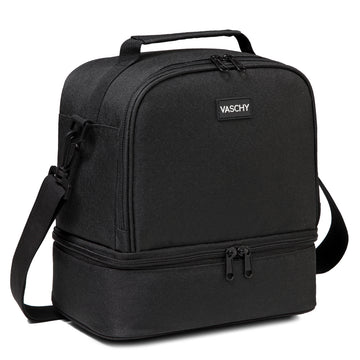
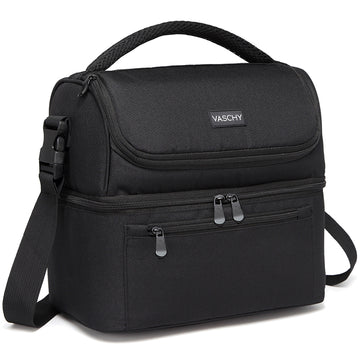
The Vaschy Lightweight Classic Backpack in the L configuration is listed at 19 L with two large compartments. Compare it if one person needs to carry a shared layer and other approved essentials while leaving their hands free on the way to the show. The extra compartment can give a small boxed purchase a place apart from other items if it passes your opening test. Shop the Blue Green Lightweight Classic Backpack if the actual family load works in a two-compartment bag and the event permits the packed size.

Try it with the person who will carry it, over the jacket they'll wear. Take out a layer without moving the box you used for practice. If the packed bag bulges toward a display or needs a table to unload, remove something you don't need or carry the purchase after the visit. Avoid using empty space as a reason to bring extra gear to a crowded show.

Try a viewing-only load and a shopping load
Make two versions of the same itinerary before you try a bag. The first starts at the entrance, goes to a display and finishes without buying anything. Pack the kit you would really use for that version. Give a ticket, phone and any required personal items first claim on space. If you're carrying a second jacket just in case a child takes off the first one, decide which layer will actually travel. Leave anything the event says to keep at home out of the test.
Now add a shopping stop at the end. Use an empty carton that matches the item you are considering. Put it through the opening without moving the phone, keys or other things you will need on the way out. If the main bag can hold the box but stops being easy to close or steer through a crowd, plan to collect the purchase after your last circuit. Keep rigid corners away from loose belongings. Avoid pressing a carton against a bottle or carrying it where you cannot see the floor.
Compare the access you need at the entrance with the access you need in the shop. A large zippered compartment can be useful for a packed box and still be a slow place to store a digital ticket. A small messenger can make the phone easy to find but leave no useful place for that box. Let one bag do the job that matters for most of the visit, then plan the exception. If you are buying for several outings, do the same test with your ordinary weekend kit before assuming the convention needs its own new bag.
Check one more decision at the vendor
If you collect the set after browsing, keep the paperwork for that pickup in a pocket you can reach. Check the event exit and the route home while your hands are still free. A family visiting a venue that permits bags and re-entry may have more options than a visitor with a timed single admission. Put any permitted pickup or storage arrangements in the plan before relying on them. For an unplanned purchase, decide at the counter whether it fits the bag, needs a separate carrier or would be easier to buy another day.
Think through the last ten minutes of the visit
Imagine a short visit with a small child and no plan to shop. Keep the ticket and phone with the adult who handles entry, and decide what the child actually needs after that. In a longer visit with a sweater and a confirmed small purchase, the backpack can do more work if the test box and everyday kit still fit. If one person chooses a large set, keep the personal bag as it was and deal with the package as its own load.
Before you leave, count what you arrived with and what you bought. Check the receipt, small packages and any outerwear someone took off. Put the phone in its original pocket so you can find the route home without setting down the merchandise. If the venue has a separate exit line, follow signs before stopping to reorganize.
If your public visit calls for a small personal carry, shop the Blue Classic Lightweight Messenger. If the group has a larger shared kit and the venue allows it, shop the Blue Green Lightweight Classic Backpack. Try the regular load and the biggest box you reasonably expect before deciding.


