What to Pack in a Bag for a Family Planetarium Show
Keep tickets ready at the door and your bag closed once the lights dim. Compare a small messenger and a quilted tote for the outing you actually planned.
For a family planetarium show, pack the bag around the last thing you’ll take out before the room gets dark. Get your tickets ready at the door and put on the layer you’ll wear inside. Keep anything you need during the show where you can reach it as the venue directs. A compact messenger makes sense for a show-only visit. A quilted tote can hold the extra things you’ll carry through the galleries afterward, provided your venue allows it and you have somewhere appropriate to keep it during the show.
Check the building and the theater separately
Read the instructions for the show you booked. Find out how to present your tickets, when the line forms and what happens if someone arrives after the doors close. Check bag rules for the building and for the theater. A bag might be fine for walking around exhibits, yet still need to go in a particular place during the show. Ask the venue about any item you need to keep with you for access. Its answer should take priority over a generic packing list.
The Adler Planetarium’s visitor FAQ is a useful example of why this matters. It says bags and backpacks are allowed inside the museum, but the museum has no storage lockers or coat check. It also has theater-specific rules, including limits on photography. The Charles F. Hagar Planetarium’s theater guidelines give a different set of directions for its space, including rules on food, drink and screen devices. And if you’re heading to Vancouver’s H.R. MacMillan Space Centre, read the show and ticket guidance for your selected visit. Use the site you’re actually visiting to settle questions about timing, entry and what you can carry.
Ask one follow-up if your group plans to use a stroller. Confirm where it goes during the show, and whether anything you need will be left with it. Pack those few items in the bag that will go to your seat. Think through how you’ll carry the bag and manage the stroller at the same time. If two adults are going, have one handle tickets and the bag while the other follows staff directions for the stroller. If you’re going alone, try reaching the tickets with the empty stroller parked at home.
Plan the last time your bag needs to be open
At home, lay out what you’ll need before the show, during it and after it. Put tickets or the booking information in a pocket you can reach while standing. If the venue accepts printed tickets and you prefer them, keep them where they won’t be folded around your keys. For mobile tickets, check how the venue wants them shown. Get the correct tickets ready at the door, then follow staff directions for putting screens away or using them for accessibility.
Do a last check while there’s still light. Put on any layer you need, take care of food and drinks according to venue rules and make sure the transit card or keys you’ll use afterward have a familiar place. If a child wants something small for the wait, agree where it goes when you’re called inside. A single zipper or pouch makes it easier to collect a small item and close the bag without opening every compartment.
Keep accessibility needs in the plan from the start. The Adler’s accessibility guide, for example, describes services for guests who need support. Ask your venue which options apply to your show and where staff want you to set up. If you’ll be using an approved personal device, try getting it out while the other items stay packed. Make the setup work around what your family needs to enjoy the visit.
Try the bag in a chair before you leave
- Load the bag with what the venue permits and what you’ll actually use. Sit in a chair with another chair close beside it to give yourself less space.
- Take out the one thing you might need before the lights go down. Close the main compartment without spreading items across the seat next to you.
- Hold the bag on your lap to test that position. If the venue directs you to place it elsewhere, rehearse that arrangement at home and keep straps clear of traffic.
- Stand up and take the bag with you. Check whether a long strap drops onto the floor or catches on the chair. Try a different carry position if you have to stop to gather it.
Test how far the rigid items stick out with the bag on your lap. A wallet and a folded sweater may be easy to carry together. A bulky glasses case or a hard-edged souvenir can change the shape of the load. Put the largest piece in the position it will actually occupy during the show and repeat the sit-down test. If you need to move it every time someone wants to pass, consider a smaller carry for the show or change the plan for the extra item.
Rehearse the same visit with and without the gallery stop
Imagine you’re going straight from the bus or parking lot to a timed show. Put the tickets, your keys and the one small thing your child may need into a bag. Put your outer layer on, stand up and retrieve the ticket while keeping one hand free. When you sit down, check how the bag rests with the layer still on you. Now try the exit move without fishing for the keys. If the same pocket works each time and the bag is easy to collect, it has enough room for the short visit.
For the longer version, add the things that will have a job outside the theater, such as a layer you’ll remove or a small activity pouch for the trip home. Set up the chair test again. If the larger bag only works with its handles sprawled across the next seat, ask the venue where large bags can go. If there’s no suitable arrangement, make a smaller plan for the show and see which gallery items you can skip or carry only after it. Keep any necessary accessibility items in the plan for either version.
On the day, use the last pause before your group sits down to check that nothing you need is still clipped to another bag or tucked into the gallery kit. Adults sharing the carry can agree who keeps the tickets, the way home and anything that needs to stay available during the show. A rehearsal that uses those same pockets gives each person a place to check after the lights come back on.
Compare a compact messenger and a gallery-day tote
For one show and a few essentials
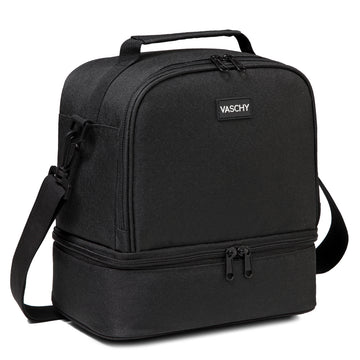
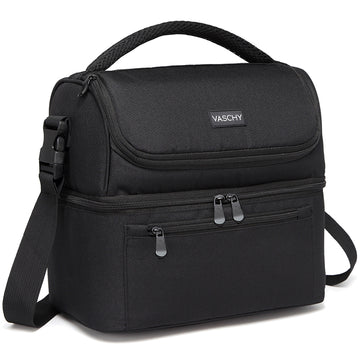
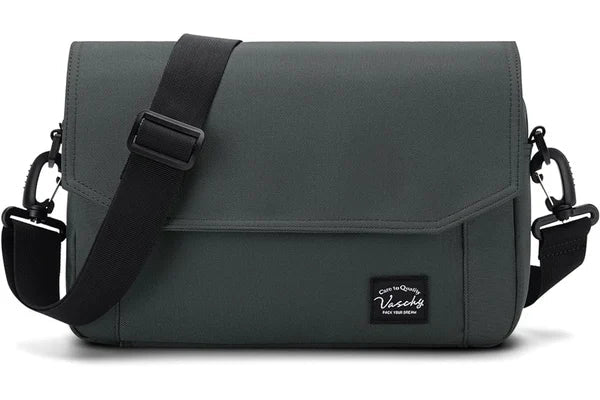
The VASCHY Classic Lightweight Messenger Bag is listed at 5.4 L with a front flap and a zippered closure. Try it for your tickets or phone, keys and a compact pouch if those make up most of the load. Test which items you can reach at the entrance without opening the main compartment. Keep the rest zipped when you sit down. A smaller crossbody can be easier to gather up when your group stands again, but only if the things you need fit without pushing on the closure.
Wear it over the layer you’ll use outside and again once the layer comes off. Check that you can bring it within reach at the ticket line and collect the strap after the show. If the bag is doing more than one job, give the tickets a place that stays accessible when the layer is packed.
Shop the Vaschy Classic Lightweight Messenger Bag in Gray if you prefer a compact carry for a short show-first outing.

For one adult carrying shared gallery-day items
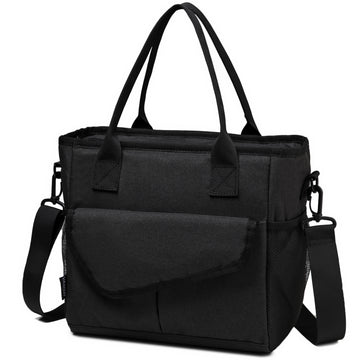
The VASCHY Quilted Puffy Laptop Totes listing describes a quilted design and an 18 L capacity. Try the tote when you have a longer outing planned and one adult will carry small layers, a pouch and other permitted essentials for the family. Put the item you may need at the entrance where you can reach it without lifting the whole group’s gear. Try sitting with the tote loaded. The soft shape still needs a place to go while you’re seated.
If the bag is likely to stay full throughout the show, run the seat test with everything inside. Look at which way the handles fall when you set the bag down. A larger tote is handy in the galleries when several people keep handing you things. At the theater, it works best when you have a clear storage plan and can collect it without asking everyone else to move.
Shop the Vaschy Quilted Puffy Laptop Tote in Light Blue if you want more room for the gallery portion and can keep the packed bag where the venue directs.


Make the change from dark theater to busy gallery
Wait until the staff indicate it’s time to leave, then check that your group has gathered its belongings. Move to a clear space before reopening the bag or switching straps around. This is also a good time to put an unfolded map or a new item into the bag. If you’ll be there past lunch, keep the show bag closed until you reach a place where the venue allows you to eat.
Questions before your first family dome show
Can my child carry a separate backpack?
Check the theater’s rules and decide who will carry it through the entire visit. When two bags make the seating routine harder, see whether the necessary items can fit in one permitted bag or be carried in separate pockets.
Do I need to bring snacks or a bottle?
Check how your venue handles food and drinks in both the building and the theater. If you’re bringing them for another part of the day, pack them in the position you’ll use during that part and make a separate plan for the show.
What changes for a show with a longer museum visit?
Plan the seating routine first. Add only the gallery items that have a job before or after the show. Ask about storage if your kit will be too large or awkward to keep with you in the theater.
Choose the bag for the outing you’ll actually take
If you’ll head straight from the ticket line to one show, shop the Vaschy Classic Lightweight Messenger Bag and try it with your essentials. If you’ll spend longer in the galleries and want one adult to hold the shared gear, shop the Vaschy Quilted Puffy Laptop Tote and test the seat and strap setup before you leave.


