How to Choose a Bag for a 40-Ounce Tumbler With a Handle
A handled tumbler needs room for its widest point and a defined upright position. Compare a backpack and a quilted tote with your normal load.
Bring the tumbler you fill every morning. A bag has to clear the handle and lid, keep the cup upright as you set it down and stay easy to open with your normal load inside. Try the UltraLight’s outside pocket or a quilted tote’s top opening with an empty cup first. Follow the lid maker’s travel directions, including carrying the cup separately if needed.
Measure at the base, the handle and the lid
A handled cup presents three different shapes to a bag. The tapered base is the part that goes in first. The handle may be the widest part once the cup is sitting inside. The lid or straw determines which route will let you lift it out. Stanley’s 40-ounce Quencher H2.0 listing illustrates this difference by describing its base, handle and lid separately. Check the exact model you own because lid operation and the shape of an attached handle vary.
Set your empty tumbler on a flat surface. Measure across the bottom, then measure the full width of the body and handle together. Include the height of the straw if you leave it in its travel position. If the maker directs you to remove or close a piece before transporting the cup, measure with that instruction in mind. Write down the height at which the handle starts as well. A pocket can have enough room around the bottom but stop at exactly the place where the handle needs to pass.
Try the grip you use while walking. If you put two fingers through the handle, give them space on the way out of the pocket. If you always lift by the body, see whether the opening forces you to hold the lid instead. Make a short cardboard marker for the widest point if you want to compare bags without carrying the cup into a shop. The marker can help you rule out an obvious mismatch. Repeat the test with the real cup before counting on any fit.
Check the pocket with the main compartment filled
Load the bag with your usual layer, books and lunch container. Then try the cup in the side pocket. A full bag can push against that pocket from the inside and change the clearance at the handle. Check whether the cup bottoms out in a position that supports it. If the handle stops it too high, pulling harder on the fabric will not help you reach it one-handed. Try the other pocket if there is one. Let the cup sit where it naturally lands, then lift the bag carefully and see whether it remains stable.
Test what happens when you put the bag down
Begin with an empty cup, an appropriate lid setting and the things you actually carry. Lift the bag, turn toward a chair and put it down as you would at work. Take out your notebook and put it back. Watch the cup while you do it. It may stay upright on a counter but lean when you lower only one strap or when its side touches the chair. If a moment in the test makes you grab the handle to correct it, identify what caused the shift.
Once the empty trial behaves well, repeat the filled-cup check only in an appropriate place and in a manner consistent with the tumbler maker’s instructions. Use plain water away from electronics and other belongings that could be damaged. See whether the added weight makes the bag pull to the side, and whether you can still lift both together without tipping. This check can reveal a poor arrangement. It cannot turn your bag or lid into a spill guarantee.
Separate the tumbler and the computer’s path
If you carry a laptop or paper folder, see where it goes while the drink stays upright. Use a substitute for the computer in any water test. An exterior pocket can leave the main bag free for the flat items, as long as the cup fits securely. An interior tote arrangement can still make sense when there is a stable, separate space and when the lid instructions allow it. If the tumbler ends up sharing the same path out as the computer, you may be glad you left it outside or carried it in your hand.
Repeat the reach beside the chair where you normally set the bag. Sit down with the bag beside you and put the tumbler on the table before you open the rest of the bag if you expect to drink there. Test the movement with the jacket you wear most. An exposed handle can brush a strap or the edge of your clothes. If it catches every time, move the bag or reconsider which container you take on that route.
Try both ends of a realistic commute
When the seat is the first stop
Imagine a short walk followed by a ride where you normally put the bag by your feet or hold it as directed. Try a chair at home with a mock load and an empty cup. Pack the phone and any access card where they usually travel. Lift the bag with one hand while holding the separate cup in the other, then try carrying the cup in the proposed position only if the shape and the container’s directions allow it. Compare how many times you need to reposition either piece.
The useful failure to notice here is what happens when the backpack turns sideways. If an exterior cup makes the bag as wide as your other belongings can allow, try a narrower cup or a separate hold. An inward-facing handle can be convenient for space, but it needs enough clearance to lift without pulling a strap into the way. Try the bag with a coat. In another configuration, an outward-facing handle may be easy for you to grasp yet bump an object beside you as you lower the bag. Consider the space on the whole route.
When the desk comes before the first sip
Try setting the tote on a chair and reaching for a paper folder first. Reposition the empty tumbler if the folder’s edge has to pass in front of it. Put a folded sweater in last and see if it changes the path to the straw or handle. An upright cup placed at a usable edge of the bag can be easier to lift, provided the whole arrangement has enough room and remains consistent with the maker’s directions. If taking the laptop out makes the cup shift, give both items independent places before repeating.
At the end, find the handoff that surprised you. You may walk comfortably with the cup outside and struggle only when you set the bag on a chair. You may like the tote around town and still choose to hand-carry the cup on transit. A good purchase decision starts with the movement that needs fixing, and you can use a different drink container or carry plan on trips where the tumbler is too awkward.
Compare an exterior side pocket with an upright tote
Start with the UltraLight Backpack if you want the drink outside the main section
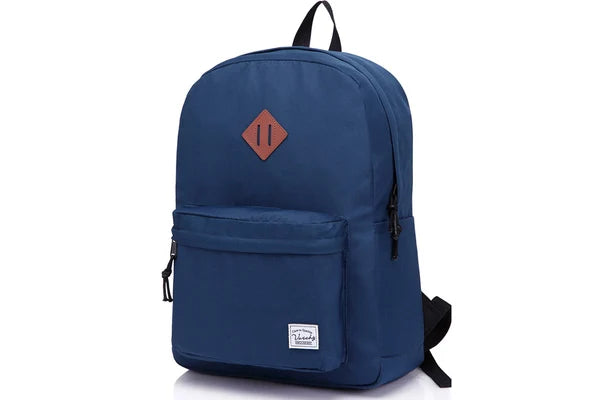
Vaschy lists the UltraLight Backpack at 20 liters and describes bottle pockets on both sides, a main compartment with a file divider, and a front zip pocket. It is worth testing when you want a two-strap carry and your particular tumbler sits steadily in an exterior pocket. The pocket description alone does not establish fit. The cup can be wider at its handle, heavier when filled and taller than the part of the pocket that supports it.
Shop the Vaschy UltraLight Backpack in Dark Blue if you want exterior bottle storage and a separate paper area. Try the cup in its actual travel position with the main section filled. If you can lift it out only by holding the bag down or changing the grip, you have learned what to look for in a different configuration.

Compare the quilted tote when you set the bag down at several stops
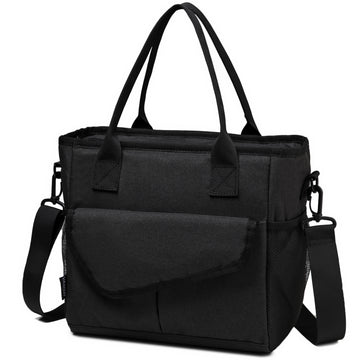
The Vaschy Quilted Puffy Laptop Tote is listed at 18 liters. Its quilted shoulder-carry shape is worth trying if you normally lift objects out from above and can set the bag beside you before using the tumbler. Place the empty cup where you plan to carry it and add the rest of the load. Lift the tote by the handles. See whether a soft layer or book is now pushing the base aside, and whether you can use the opening without pulling on the straw or lid.
Shop the Vaschy Quilted Puffy Laptop Tote in Beige if you prefer a shoulder carry and your tumbler has a reliable place in the actual arrangement. If the tote works for other things and the cup remains awkward, enjoy the tote for those items and carry the drink separately. Its listed volume does not tell you whether this handle geometry will work.


Choose for the trip you make most
Does a cup-holder-friendly base mean it fits the bag pocket?
Measure the whole cup. A small base can help it start into the opening. At its final position the handle, pocket depth or body may still make the fit unstable. Try the pocket with the rest of the bag filled and take the cup out in the way you would ordinarily lift it.
Does an empty cup test tell me everything?
It tells you about the shape and the lifting path. You still need to consider the added weight, how the bag sits when you put it down, and how the maker says to carry the lid. If a test gives you a reason to change the setup, make that change before putting a full cup near your belongings.
Shop for a carry you can repeat when you arrive
Shop the Vaschy UltraLight Backpack if an exterior pocket is the first place you want to test. Shop the Vaschy Quilted Puffy Laptop Tote if top access and setting the bag beside you match how you work. Start with the actual cup and normal daily load. If it needs a separate carry, plan that into the route.


