How to Choose a Lunch Bag for a Wide Bento Box
Test your widest closed lunchbox without turning it on its side. Then compare a compact lunch tote and a bag with a separate lower pocket.
Measure your closed bento across the latch and hinge before you shop. A suitable lunch bag lets the box go in flat, gives your fingers room to lift it out and closes with the rest of the kit packed. Try the compact tote if one box does most of the work. Compare a bag with a second section when you regularly reach for something before lunch.
Measure the box as you send it to school or work
Put the lid on the bento box and close it like you do in the morning. Measure the two longest edges, the thickest point of the closed container and the full span across the protruding latch or hinge. Include a strap, band or sleeve if it normally travels on the box. A package with rounded main corners can still have a narrow protrusion that catches on the bag. Write the numbers on a piece of paper and show which side has the latch.
MontiiCo’s lunch bag comparison lists combinations of containers for its different bag sizes. Its logic is useful even if you use another brand’s lunch box. Check what goes in together and where it sits. Measure every extra that can crowd the bent corners of a zip opening, including a separate snack cup or the exact cooling gear you normally pack.
Make a flat outline if you cannot bring the lunchbox when shopping. Two pieces of stiff paper held apart with a spacer can represent the closed height. Add a small tab where the latch sticks out. If the outline touches at two opposite corners, test it before assuming the padding will give. Lunch bags vary in usable width even when their outside dimensions sound close. The fit that matters is a closed pack you can remove at the table.
Find the narrower end without tipping the box
Start with the hinge toward one wall. Slide the empty container through the opening with its base level. If the hinge catches, try rotating the box a quarter turn while it is flat, as long as the path allows it. Pay attention to where your hand needs to grip it. An open bag may accept a wide box before your fingers fit around it, and that makes removal much harder for a person with smaller hands.
Test the zipper with the rest of the meal packed
Place the box flat in the bag, then add the things that are part of the real lunch. Put each item where it belongs rather than filling every empty space. A small snack container can occupy the same corner the lid needs to clear. A second rigid box may make the top of a soft-sided bag bulge even if both pieces fit on the bottom. Think about what has to come out daily and what can stay in a different pocket.
Close the zipper along its whole path. If it stalls at a bend near the latch, see whether you can move the smaller items out of that area. A closure that works when the bag is empty may have to curve around a hard edge once packed. Try a short hold by the normal handles or strap. If the whole bag shifts and the bento turns onto its side, adjust the layout or choose another bag. Use empty containers or clean stand-ins for any fit exercise.
Bentgo’s Deluxe Lunch Bag listing describes a specific zip-opening design and internal organization for its bag. It gives an example of features to check, rather than providing compatibility for your box. Check the exact fit of the box, the rest of the lunch kit and the orientation recommended for any item. The container’s directions still apply when it is inside a bag.
Match the organization to how lunch actually happens
For a person who unpacks everything at once, a simple arrangement can be enough. Put the bento where its grip edge comes up first and keep a small extra in a different position. Test the removal with the bag resting next to your chair. If you use the bag as part of a school or work carry, try pulling the lunch bag out without turning the box. You want it to fit on the way out with the same surrounding gear as you carry to school or work.
For a person who takes a snack earlier in the day, give that item a path that leaves lunch closed. An outer pocket may suit utensils or a napkin if it is intended for them. A separate section can make sense when a snack is bulky enough to interfere with the box opening. Physically separate the lunch items you need at different times. Respect the instructions for storing food and the actual containers. Bag size alone says little about temperature.
Check the trip home with a less tidy arrangement
Put the empty bento back without trying to match the last angle perfectly. Repack the items plainly the way you expect them to come back. If an unwrapped or leftover item needs a suitable container, put one in the packing test. See whether the single wide box can close inside the bag again and whether the other items have a place to go without sitting on the latch. If the return is consistently harder, change what goes in which section before you decide you need more liters.
Run the test once for snack time and once for lunch
On a typical school day, a snack might come out well before the wide box. Set an empty snack container where your child will reach it. Ask them to take out just that container, put it back and close the bag. When it is time to reach the bento, see whether they can take it out without lifting the snack first. Give the zipper a normal pull. If your child has to hold down one end of the bag to get it open, test how the box and latch sit before changing the bag.
Do another run for an adult lunch with a wider container and whatever extra packing the meal requires. On a small shared counter, open only the section whose contents you need. If you can take out the bento level and keep the other section closed, extra organization is paying for its space. If the second section adds height but keeps pressing on the lid, try it with a different object or a more compact bag. Height only helps if it stays usable while the whole lunch is packed.
Switch the two most crowded items and try again. A rigid cup beside the latch may be the only problem. If it can move without changing what the food requires, the current bag might be sufficient. If both layouts force the box to go in on an edge, shortlist by a straighter opening and a floor that can take the loaded kit.
Compare two Vaschy lunch bags with the same bento
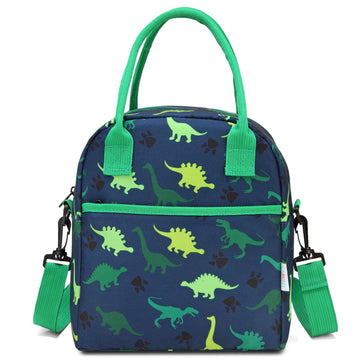
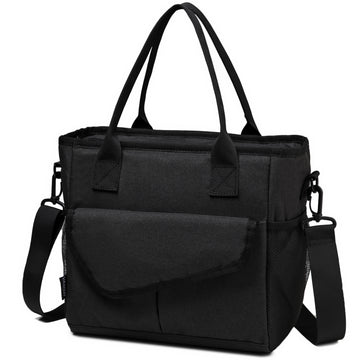
Everyday Essential Lunch Box Bag for one main container
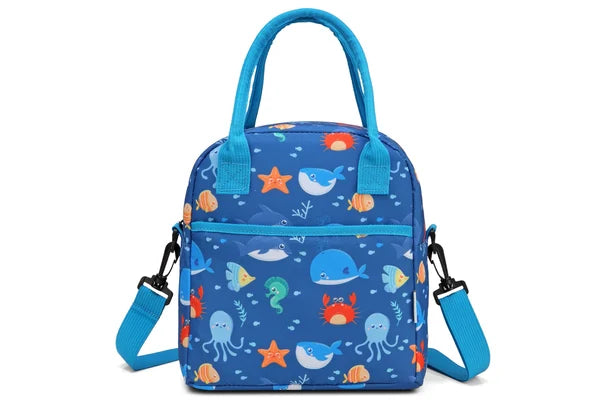
Vaschy lists the Everyday Essential Lunch Box Bag at 8.2 liters and describes a tote shape with a zippered outer pocket. Consider it when you mainly carry one bento and want a small spot for the things you reach for beside it. Test the closed box against the actual opening. Put the latch where it will not press into the zipper and leave enough room to take the whole container out level.
Shop the Vaschy Everyday Essential Lunch Box Bag in Ocean Animals if the real bento goes through the opening with the extras packed. If an outer pocket keeps a napkin or utensil from getting in the way of the bento, the simpler format can be easy to use. The manufacturer’s capacities are starting points for a shortlist, and your box’s latch and proportions still decide the fit.

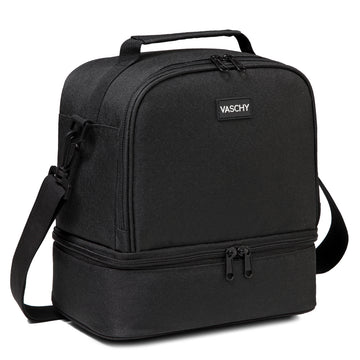
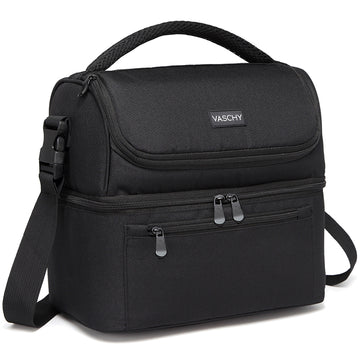
Bios Insulated Lunch Bag for a kit that benefits from a second section
Vaschy lists the Bios Insulated Lunch Bag at 15.1 liters and identifies a bottom pocket. Try it when the extra items you carry need a separate place from the bento. Compare which section can take the box flat while staying easy to open, and confirm the usable entrance with the bag in the position you will carry it. The manufacturer’s overall dimension sets differ. Use the opening and the usable space measured in a real bag if that fit is important.
Shop the Vaschy Bios Insulated Lunch Bag in Green if two packing levels would help you reach a snack or utensil without taking out lunch. Load both sections and see whether one presses into the other. Test the bottom compartment before placing another packed item above it, since the choice has to work for the entire lunch kit.


Check how much width you really need
Can I judge by liters if the bento is quite thin?
A thin box can still be wider than the usable opening. Measure the closed shape at its widest point, including the plastic latch. Then see whether it can pass the zipper while you keep it level. A bag with less unused height can be a better fit if the floor and opening are wide enough for the specific box.
Where should cold packs or snacks go?
Choose their placement with the storage directions for the food and the containers in mind. Do a basic fit test with the cold packs you own and empty practice containers. Keep the opening clear for the bento. The right location is the one that allows the whole kit to close and remain usable without changing the intended food storage.
Shop the Vaschy Everyday Essential Lunch Box Bag if one bento and a few extras fit the simpler layout, or shop the Vaschy Bios Insulated Lunch Bag when a separate section solves a recurring packing issue. Test the closed bento and any additional pieces before choosing.


