How to Choose a Bag for Bringing a Small Framed Print Home
Measure the package after the framer wraps it. Compare a tote and a messenger for a small boxed print, and know when to carry the package separately.

Ask the framer for the wrapped parcel size before you choose a bag. Include the corner guards in your test. A structured tote can work for a small parcel you lift out from above, and a messenger can suit a different orientation if the framer approves it. Use the shop’s carrier or delivery plan for pieces that need more support.
Ask what shape the parcel will be at pickup
Call or ask when ordering. Find out whether the print will be wrapped, boxed or placed in a carrier. Ask for the outside measurements of the finished package when available. If the framer wants it to remain upright or otherwise supported, include that requirement in the bag test. Take the full outer package as your starting point. A frame may be thicker or wider than the picture measurements, and a guard or padding adds to the edge you have to get through the bag.
National Gallery Singapore’s framed painting packing guide explains why galleries consider the frame and packing materials, including corner guards. The gallery’s example is about packing artwork. For a shop pickup, let the framer decide how your object should be protected. A convenient shopping bag is an outer carrier for a suitable package. Ask the shop for help when the print is large, glazed, unusually shaped or valuable.
If price or timing affects your choice, ask what carry and delivery options the shop offers before you settle on a bag. It may supply a box that is right for the piece or tell you how to hold the parcel. Plan where the package will rest on the way home and where you will set it down. If you cannot picture a spot free of falling or squeezing, arrange a different trip or carry plan with the shop.
Make a mock parcel with the corner guards included
Cut a piece of cardboard to the requested outside outline. Use cardboard scraps to approximate thickness and corner projections. Mark the edge that will face up if the shop tells you there’s a preferred orientation. Open your bag on a table and lower the mock package along the path you expect to use. Check whether you can still grip the parcel when it reaches the bag mouth. A narrow zip or folded flap can catch the top or bottom corner even if the bag itself appears wide enough.
Try the bag as you would carry it home
Start with the bag empty. Place the mock parcel so you can tell whether it settles with even support or rests on a single point. Lift the bag in its usual position and set it on a clear surface. Watch whether the parcel tilts as one handle takes more of the weight. If it moves against a buckle or the side of the opening, adjust the plan. Do another trial after placing your own essentials in their regular positions. A wallet or bottle may be the object that shifts the package or makes it difficult to reach.
Give hard belongings somewhere else to live. Put keys, a bottle, a rigid glasses case or other items where they can’t press on the face or corner of the package. If that means leaving more of the day’s gear in a smaller separate carry, try that option. Compare how you open and close the bag when you are actually holding the entire package. Avoid using an everyday bag for a frame that has no room for its protective wrapping or for the hand that supports it.
The Canadian Conservation Institute’s travel note treats the condition and construction of artwork as part of the decision about moving it. Take the same cue at a modest scale and ask the shop what applies to your particular framed print. Choose a carry that supports the whole frame without pressure, even if that leaves a second package to handle.
Plan where you set it down between door and destination
Imagine you are leaving the shop and must open a door or show a pass. Can you keep the piece steady while a friend holds the door, or would it be easier to go straight home? Practice with the pretend parcel. Try setting the bag down on the surface you expect to use, then taking out your keys without disturbing the mock frame. If you cannot easily keep the bag supported when you put it down, avoid adding a grocery or other shopping stop to that trip.
Compare two pickup plans before you leave
A small package you can check at the counter
Imagine the framer supplies a compact box and confirms how to hold it. Take out the guide you used to measure the outside. Compare the widest corner of the real box to the opening before putting it inside. Ask whether the way you intend to carry it matches what the shop recommends. Give yourself room to support it with your hands at the counter. If the shop’s packaging makes the box bigger than expected, keep it exactly as supplied and adjust the carry plan.
Set out the empty bag, your mock parcel and whatever you usually have on the way to the shop. Try putting the parcel in while leaving keys and card in a separate position you can reach. Repeat with the bag facing another way. Some of the work happens when the bag tilts enough for a key or case to move. If that makes the parcel lean or brings hardware into contact with the package, choose another arrangement before pickup. A little spare bag volume is only useful when it gives the framed package its own steady area.
A package that should travel by itself
Now imagine that you arrive and the print is larger, glazed differently or needs firmer support than expected. Ask the shop to confirm the best option. Before stepping outside, work out how you will open doors, settle into a vehicle or walk straight to the destination. A small personal bag can hold your receipt, keys and phone while the framed parcel stays separately supported as directed.
This second plan is useful even when the usual tote seems large enough. It gives you a simple alternative if the protective guards take up more space or a hand must stay on both ends of the package. For a trip with two small prints, get the framer’s directions for each. Leave with one clearly supported load or make arrangements for a separate delivery. The best everyday bag can still be a useful purchase for your other errands.
If the shop gives you a receipt and hanging instructions, keep both separate from the wrapped face. Put them with the payment you will use when you arrive. That lets you leave the wrapping in place until you have a clear surface at home and are ready to open it the way the shop recommends.
Compare the tote and messenger with the same parcel
Structured canvas tote for a clear reach from above
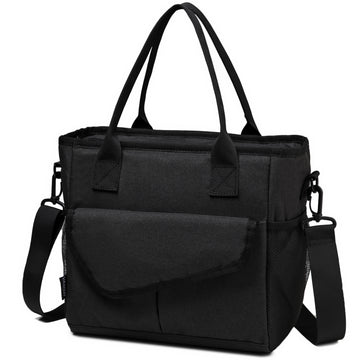
Vaschy lists the Canvas Tote Bag for Women at 16.2 liters and describes a structured format with a detachable shoulder strap. Try it for a small, shop-approved parcel you can lift from above without compressing its padded corners. Check whether the handles fall clear when you guide the package into the opening. Repeat the lift with the strap attached if that is how you plan to carry it.
Shop the Vaschy Canvas Tote Bag in Sky Blue if your wrapped print has enough space to sit in the position the framer recommends and you are looking for a structured bag for other errands as well. A bag can have unused volume while the guarded corners meet a narrower part of the opening. The outline test does more for this purchase than a capacity figure.

Canvas messenger for a small parcel that can rest along its long edge
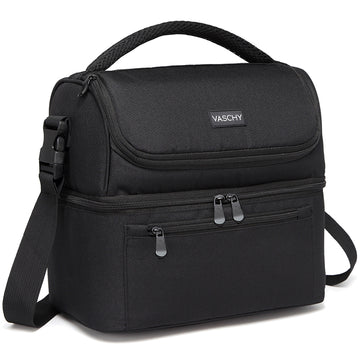
The Vaschy Large Canvas Messenger Bag is listed at 18 liters. The product description identifies a fabric flap and two buckles on a large front pocket. Consider this layout when your wrapped frame is long and shallow enough to sit securely along the bag, and the framer approves the orientation. Put a mock parcel in place and make sure the hardware, closures and other things in the bag do not press into its resting space.
Shop the Vaschy Large Canvas Messenger Bag in Beige if the shoulder carry gives you better control with a small parcel that fits. Check your grip. A messenger that fits its mock-up may still be inconvenient if the package needs two-handed support. In that situation use the shop’s approach to taking it home.


Check the fit before you bring your own bag
Can I just use the print’s dimensions on the label?
Ask for the package size. The image, mat, frame, hardware and wrapping are different layers. A mock parcel that includes all of them tells you much more than the visible size of the print. If the exact dimensions are unavailable, prepare for a separate carry rather than forcing a fit at the counter.
Should I use a shoulder bag for any glazed frame?
Ask the framer what the frame needs. Size, glazing and packaging affect how to carry it. If its package needs support you can’t provide with a shoulder bag or the shop recommends another method, use that method. Choose the everyday bag by what it will regularly carry well.
Shop once you know the outside shape
Shop the Vaschy Canvas Tote Bag for a small properly wrapped parcel you can lift from the top. Shop the Vaschy Large Canvas Messenger Bag if the parcel fits the longer carry the shop advises. Base this errand on the finished package and use dedicated transport whenever the job calls for it.


