How to Pack Snow Pants in a School Backpack
Pack for the snow pants your child brings home at dismissal, with a place for damp gear, lunch and school papers.

The snow pants that went into the backpack neatly at breakfast may come home in a loose bundle with damp cuffs. Pack them beside the regular school load if your child can take them out and put them back without bending the take-home folder or digging under the lunch box. If the pants are bulky, often damp at dismissal or too hard for your child to repack, a separate winter gear bag may be easier if the school and transportation provider allow it. Try the bag with the pants loosely rolled, the way they might come home after recess.
Ask what actually travels before adding room to the backpack
Make two small lists for your child's school day. One covers the morning trip and one covers dismissal. Under each, write down which items your child will wear, which can stay at school, and which will go in a bag. A child might wear snow pants on the walk to school, hang them up on arrival, then need to bring them home separately at pickup. Another child may wear them in both directions and need room for only a spare pair of mittens.
School guidance varies, even between programs in the same building. The preschool section of Cedar Park Elementary STEM School's supply guide asks families to choose a backpack with room for snow pants and spare clothes. Hall STEM Academy's winter recess guidance includes snow pants, boots, a hat and mittens or gloves in its own clothing expectations. Check the message from your child's teacher for what to bring and where it goes, and check the dismissal or bus instructions for anything that will be carried separately.
Ask three concrete questions before shopping. Can winter gear stay in the cubby overnight? Will the child wear snow pants at dismissal or take them off before leaving? Is a second bag permitted, and where does it go? Do the same for boots and indoor shoes. Boots have a different shape and may be messy. Follow the school's arrangement for footwear rather than assuming boots have to go inside the everyday backpack.
Test the load that comes home
Start with the backpack as it is on a regular day. Put in the take-home folder, closed lunch container, bottle and anything else your child routinely brings home. Add the ordinary coat and winter gear to the test only if they will be carried rather than worn or left at school. If you compare two bags with the folder and lunch box removed, you'll find space that your child won't have at dismissal.
- Roll the dry snow pants loosely. Include the straps or bib if the pants have them. Avoid the tight fold an adult might make when packing at the kitchen table.
- Put the pants and any expected damp items into a suitable separate pouch for the test. Use dry items to check volume. Leave the contents loosely packed enough for your child to repeat it.
- Slide the bundle into the backpack with the everyday load already in place. Try taking out the folder without removing the winter bundle. Close the zipper without pressing the two sides together.
- Have your child pull out the winter bundle, set it down, put it back and zip the bag while wearing their usual outer layer. If the classroom or cubby has a small opening, include that in the test.
Look at the opening and the depth of the place the pants actually occupy. A lunch box that stands upright can leave an opening along one side. A wide flat lunch container can take up much of the front-to-back space. The same backpack can feel very different with those two loads. Try the real containers. Capacity in liters doesn't tell you how much usable space is left after the folder, lunch and bottle are packed.
The École Neil Campbell School winter guidance describes clothes getting wet after recess and recommends sending spares. Give damp gear a designated return pouch and keep the dry spare items where your child can still reach them. A backpack compartment can keep the two bundles in different places. Use a suitable closed pouch for damp items and do not rely on the backpack or a fabric claim to contain water.
Compare one backpack with a separate gear bag
A two-compartment backpack for a bundle your child can repack
The Vaschy Lightweight Classic Backpack in the L configuration is listed at 19 L and has two large compartments. Compare it for a day when a rolled pair of snow pants and the school supplies each need an easy place to go. Put the folder where it stays flat, then use the other compartment for the winter pouch if it can go in and out without pushing against the folder. Shop the Lavender Plaid Lightweight Classic Backpack if your child can repeat that setup with the usual school load in place.

Watch which things your child removes first. If they pull the lunch box out just to get to the pants, try reversing the order or moving the winter pouch to the other compartment. If both versions require squeezing the opening or bending paper, the bag is already telling you the answer. Use a separate carrier if allowed or ask whether the snow pants can be stored or worn. A bigger backpack isn't the only way to reduce the number of things competing for the opening.
A Kids Duffle for a separate winter bundle
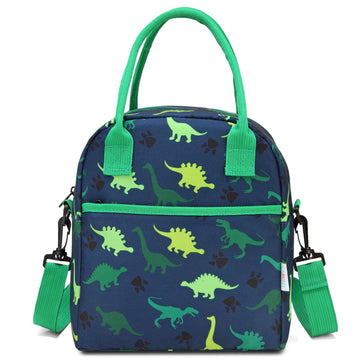
The Vaschy Kids Duffle is listed at 24.1 L, with two carry handles and a detachable shoulder strap. It can be compared as a separate carrier for a bulky winter bundle when your school permits another bag and someone can manage it on the route. The regular backpack can then handle lunch and schoolwork. Keep wet or dirty items in their own suitable pouch inside the duffle and test the loaded bag with the person who will carry it. Shop the Green Dinosaur Kids Duffle if the school has a place for a second bag and the winter load is regularly too bulky for the backpack.

Check what happens when your child has to carry both bags. A two-bag plan that works with an adult at car pickup may be awkward on a long walk or when getting on the bus. If a second bag is permitted but hard for the child to manage, decide who can carry it before using it. Check the handles and strap for loose ends, follow the school's instructions and avoid dangling a heavy bundle from a backpack strap. The duffle is an option for the gear that needs separate space, with no assumption that it will fit a specific locker or hold a particular pair of boots.

Make the dismissal routine simple enough to remember
Imagine a child who wears snow pants to school but takes them off before getting into the car. The backpack contains the same lunch and folder that left home. One plan is to put the loosely rolled pants in the winter pouch and return it to the same large compartment each time. If the pants are too bulky, a separate bag could wait at pickup if that arrangement works with the school. Practice the actual handoff. A plan that depends on a teacher finding and unpacking a new bag each day may not fit the classroom routine.
Now imagine a child who wears the snow pants on the bus in both directions. The bag may need only a place for an approved dry spare pair of mittens and a pouch for the damp pair. Start with the existing backpack and see how the extra pouch changes the regular load. For general folder and lunch layout, use the Vaschy school backpack packing checklist. Add winter capacity only for items your child will actually carry in the bag.
Practice the same three moves before school. Slide the folder in, tuck the winter pouch into its own spot, then check the zipper. Agree on which items stay in the cubby. At home, take damp gear out so you can dry it according to its care instructions. Empty and dry the pouch as appropriate. Replace the dry spare mittens if they were used. If the school wants the pants to stay there, have a separate routine for the day they come home for washing.
Check the bag at the spot where it will be packed
At home, you may pack on a big table. At school, the available space might be a narrow bench or a hook. Ask where children are expected to get ready. Then put a chair by the door and practice taking the bundle out and putting it back without spreading the rest of the backpack contents across the floor. If the opening is usable only when the bag lies flat, check whether your child will have room to do that at dismissal.
Think about the one day the routine changes. When clothing normally stays at school, the return day might be a Friday or the day it needs washing. A separate bag you already have can work on that day if the school allows it. If the pants are coming home every afternoon, the everyday backpack setup is more valuable. Base the purchase on the routine you will repeat. A larger bag that solves a single weekly trip still needs to be easy to store and carry on the other days.
Choose after you try the loose bundle
If the lunch container, folder and winter pouch each have their place and your child can use the opening, shop the Lavender Plaid Lightweight Classic Backpack. If the bulky gear needs its own carrier and a second bag works on the school route, shop the Green Dinosaur Kids Duffle. Try the load as it looks at the end of the day. That is the version the bag needs to handle.


