How to Choose a Crossbody Bag for a Cased E-Reader
Choose a crossbody around the reader in its actual cover and the place you’ll take it out. Compare two Vaschy options for a commute or longer outing.
Choose a crossbody bag around the e-reader in its usual cover. Include the thick hinge or hand strap, then try sliding the covered reader past the other things you carry. A compact messenger makes sense for a short reading trip with a small kit. A crescent crossbody gives you more space to try a layer or a bottle in a separate position on a longer outing.
Measure the covered device, including the parts that stick out
Put your e-reader into the cover you use most. Close it and measure the outside across its widest and longest edges. If you have a hand strap, a clasp or a case with a thick hinge, include it in the measurement. The screen diagonal tells you the size of the display. The complete covered device is what has to go through the bag’s opening. If you’re choosing a new reader, use the maker’s specifications as a starting point and add the cover before deciding on fit.
The Hello Clio guide to bags for e-readers asks buyers to consider their exact device and the other things they carry. Kobo’s Clara BW specifications and Libra Colour specifications are examples of model-specific dimensions. Use the exact device you own or the model you’re buying. Two similar displays may sit in very different cases.
Check the opening after the bag is loaded
Put your glasses case, wallet and keys in the bag first. Hold the reader by the edge you normally grip and guide it into the opening. If the hinge or strap catches, try the other orientation with the cover closed. The opening can narrow where the zipper ends or where the bag curves. A device can fit in the main compartment once inside and still be awkward to remove in a hurry.
Use a suitable cover for the reader and give it a consistent position away from keys or hard objects. If you carry water, choose a separate place where the bottle can sit securely upright, or carry the bottle separately when the setup is tight. Try taking out the reader while the bottle stays where you put it. If everything shifts when you lift out the device, adjust the arrangement and do the same trial again.
Try the seated reading routine
- Put the full bag on with your usual jacket and walk a few steps. Sit down in a chair and move the bag to the position you expect to use.
- Open the bag only as far as you need to reach the reader. See whether its cover catches on a zipper or pocket when you bring it out.
- Put the reader away as if you’ve arrived at your stop. Check that your other things remain in place and that the bag closes without pressing on the cover.
- Stand again and find the first non-reading item you’ll want. If it’s a key, a transit pass or your phone, see whether you can reach it without moving the reader again.
Try the same routine over a coat and with the coat off. If you bring reading glasses, use the actual case during the trial. A thick case may take up more of the usable opening than a slim e-reader. If you put your glasses on first, make sure you can get their case out while the reader stays packed. Rehearse putting both away at the end of the trip.
Make a short reading kit and a long-day version
For a short trip, put the covered device on a table with your transit card, keys and the glasses you’ll wear. If your glasses have a hard case, include it in the layout. Pack the reader and see if you can get the glasses out while it stays put. Reverse the order and close the bag both times. You may be happier with a smaller bag if both objects come out freely and you know where the keys are. If one hard case makes the other catch, try moving the smaller object before changing bag sizes.
For the long-day version, add the compact layer or bottle you realistically carry. Set the loaded bag beside a chair and lift the reader out. Notice whether the layer follows it through the opening. If you can fold the layer differently, try that first. If the two keep competing for the same space, test a different layout or compare the larger bag. Check the bottle separately. If it can’t travel in a suitable position away from the reader, give it another place or carry it separately.
Try the longer load again after you take the layer out and put it on. That leaves more room for the reader to move, which can make its edge harder to locate the next time you sit down. Try the same spot with and without the layer. You might use a suitable protective sleeve or case that makes the device easy to recognize and gives it a consistent outline to grab.
Rehearse putting the reader away while you still have a seat
Picture a crowded ride where you’ll need to stand and leave quickly. Put a chair beside a wall at home to give yourself less space on one side. Sit with the bag and take the reader out the way you normally do. When you are ready to put it away, close the cover first and hold the bag in a position that lets you guide the device in without leaning into the next seat. If the strap is behind you, move it before you open the bag. It’s easier to see whether the opening works when the bag stays where you put it.
Test what happens at the end of the trip. Close the bag, stand and find the phone or pass you need for the next stop. If your hand always lands in the wrong place, move that item to a pocket that remains usable with the reader packed. If you frequently swap cases, repeat the test with the thickest one. Check the retailer’s dimensions for the exact reader and cover you plan to use. If you’re trying a bag at home before the device arrives, a stiff paper model made to the full covered dimensions can help test the opening without pressing on a real device.
A tablet or a reader in a thick folio may need a different format. If its broad edge can’t clear a small opening while you’re seated, consider a larger crossbody or a backpack with an opening you can use comfortably. Use the same return-to-bag trial before deciding.
Take the bag and cover together on your next short outing if you already own them. Keep a note of the one thing that was hard to get in or out. Try moving that item before choosing more capacity.
If the cover has a loop, practice tucking it flat before you close the bag. Check that it remains clear of the zipper when you move the bag back to your side.
Compare a compact messenger and a roomier crescent crossbody
For a reader, keys and a few regular items
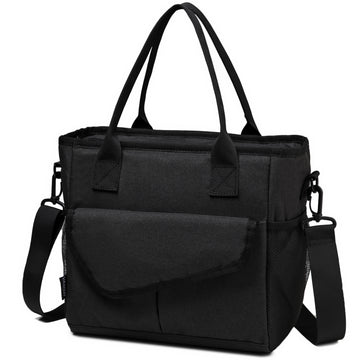
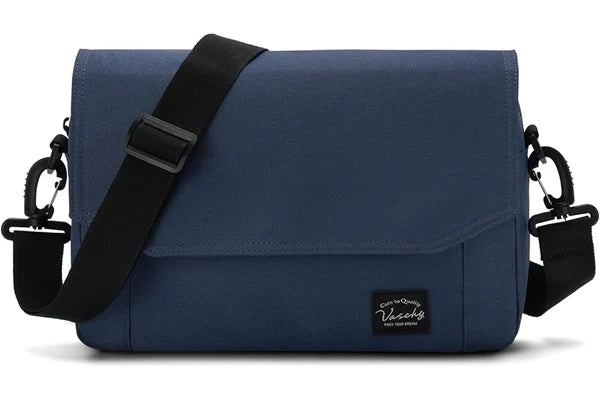
The VASCHY Classic Lightweight Messenger Bag is listed at 5.4 L with a front flap, zippered closure and several interior spaces. Try it if your reader in its cover and your small essentials make up most of the load. Check that you can open the flap and zipper in the order you want while seated. If a bulky case keeps the zipper from moving freely, test a roomier shape.
Put the keys and wallet in separate places from the reader and check that each item can come out without moving the others. A small carry gives you fewer things to sort through. It works best when the protected device slides out without needing to lift a glasses case or battery pouch out first.
Shop the Vaschy Classic Lightweight Messenger Bag in Blue if your reading kit is slim and you prefer a compact bag.

For an outing that adds a layer or other everyday items
The VASCHY Crossbody Crescent Bag is listed at 14 L and has a soft crescent shape. Try it if you want a covered reader to travel with a layer, glasses case and other everyday items. Check the actual opening with the bag on your body and the layer already packed. Choose a place for the reader where its edge is easy to find, and test how the curved shape sits around the case.
A roomier bag gives you more ways to arrange the load. A light load may also move around more than you expect. Make a dedicated place for small items you need while the reader stays put, then try the same bag with the shorter trip’s load. If the reader shifts beneath the layer when you sit down, move the layer or use a position that keeps the edge clear.
Shop the Vaschy Crossbody Crescent Bag in Brown if a longer outing calls for more room around the reader in its own cover.


Questions about e-reader fit
Will a crossbody fit every six-inch reader?
Measure your own model and case, then check the bag’s usable opening. The advertised screen size doesn’t include the device body, case and closure.
Do I still need a cover?
Choose a cover or case that suits the reader and the way you carry it. The crossbodies here are outer bags. Their listed capacity does not describe protection for the device.
Choose around the part you open most often
For a compact reading kit, shop the Vaschy Classic Lightweight Messenger Bag. For a reader and a fuller day’s load, shop the Vaschy Crossbody Crescent Bag and test how quickly you can put the covered device away while seated.


