What Bag Should You Bring to Jury Duty?
Start with the instructions for your exact courthouse, then choose a bag that keeps your papers and permitted waiting-room essentials easy to reach.

Open your jury summons before you open your bag. A compact crossbody is worth trying if you can carry the required papers and other approved essentials without cramming them in. A small tote makes sense if the courthouse allows it and you also need a layer or reading material. Check local instructions first, since those decide what goes through the door.
Read the instructions with your bag still empty
Find the courthouse name and the instructions for the day described in your notice. Read what the paperwork asks you to bring, what the building will screen and which optional items you may take past the entrance. An item allowed for one type of visit may have a separate instruction for a particular hearing, room or day. If you find two different instructions or can’t tell whether a bag is allowed, contact the jury office or the source named on your summons before packing it.
For an example of local variation, the Northern District of California’s juror FAQs discuss electronic devices and when they must be turned off. The Ontario Superior Court of Justice’s in-person information is another local starting point. Follow your own court’s directions, including any more specific instructions that come with the summons.
Look up what you should do with an item you need outside the courthouse if it can’t go inside. Don’t assume the building provides storage. If you rely on a device, a particular supply or an accessibility aid, use the courthouse’s contact information to clarify its arrangements. Correcting the contents at home is much easier than finding that an everyday bag already contains something you can’t carry past the entrance.
Empty the bag before you repack it
Open each small pocket, including the ones you don’t normally touch. Keys can have tools attached. A work tote may have a forgotten item under the removable layer you only use in winter. Set things aside until you’ve checked whether they can go. Filter the contents before deciding you need more space. When the approved list is short, an everyday crossbody may already have enough room.
Make a paper kit you can take out in one motion
Lay out the documents requested in your instructions. Choose a plain envelope or light folder that holds them without squeezing the corners. If a paper must stay unfolded, test it full size. Find the bag pocket or area that accepts it with room at the opening, then practice returning it with a coat sleeve pulled over your wrist. Put any identification you’re directed to show somewhere easy to reach while keeping it out of sight until asked.
Pay attention to paper order. Documents you might need at the outside entrance can sit together. Any materials that are only for later can sit behind them. When choosing a size, start from the largest paper after accounting for its envelope. A bag that holds a folded document easily may be too short for a rigid folder. Use a sheet of cardboard the same external size for a test if you prefer to leave personal papers at home while shopping.
Write a small card with the location or room details if you need those instructions in a form you can consult without a device. Keep it with your document holder. Put the card back there when you finish reading it. That gives you one place to look if you change outerwear or set your everyday phone aside. Use the court’s most recent directions as the source, and avoid putting personal information on the exterior of the bag.
Leave space for a straight path out
The way your papers come out matters more than the fact that they technically fit. Load your permitted items, zip the bag and reopen it. Pull the paper holder out by its top edge. If it catches on a zipper, passes under a snagging strap or comes out sideways only when the purse is nearly empty, adjust the placement. For an unfolded folder, a straight opening can be more useful than a bag of greater overall capacity.
Try check-in and waiting as two separate steps
Place what you need for arrival on a clear section of a table. Pretend you have just been asked to present the first item. Take it out, return it and close the bag. Then sit in a chair with the bag beside you and reach for a permitted reading item or layer. See how many extra things you have to move. The test is a way to choose your own layout. It doesn’t predict what the courthouse will direct you to do.
A folded sweater can go above the things you will need later only if you can take it out without turning your papers onto the floor. Keep the bag’s carry opening clear of long scarf ends and loose straps. If you expect to move between rooms, try taking the bag off and putting it back on with your coat over your arm. A shoulder strap that feels fine when the bag is empty may be inconvenient if you need both hands to handle coats and paperwork.
A waiting kit can be smaller than your everyday work kit. Trace a normal day’s load, then remove what serves no purpose during this visit. A book might be sufficient if allowed. Work materials, a spare charger and a full pouch of desk supplies can stay home if they add bulk and you won’t use them. For a long trip to and from the courthouse, decide which permitted extras are worth the additional handling.
Set up a version that works on the way home
An approved entry kit and a full day outside the house can call for different things. Consider the trip home separately and look for items that serve both parts. A layer you can wear might travel more easily than one that fills half the bag. A slim paper holder may leave room for a small permitted item you want while waiting. If the journey requires carrying something the court may restrict, ask about permitted arrangements before making it part of your plan.
Repack at the chair with the document holder in the order you want at the end of the day. Make sure you can close the bag after you return a book and fold the sweater less neatly than it was at home. If you use a shoulder carry, repeat with the layer on. That small change can bring a strap or zipper against your wrist and make a pocket that looked convenient at home less useful.
Compare two bag formats based on what the courthouse allows
Use a compact crossbody for papers and a few small essentials
The Vaschy Vegan Crossbody Purse has a pebbled faux-leather exterior, an adjustable crossbody strap and zippered compartments. It’s worth trying if the papers can travel in a small envelope and you want separate spots for your identification and other permitted essentials. Decide first whether the envelope needs to stay flat. Try it at the opening before trusting the fit from the outside silhouette.
Shop the Vaschy Vegan Crossbody Purse in Black if you can keep the approved load compact and want it close while you handle paperwork. The front flap and interior pockets can serve different tasks. Find a position that allows you to put your items back quickly without fishing past several zippers. If the paper pack sticks out, use a larger approved bag or adjust how you carry the papers according to the notice.

Try a small tote when an extra layer has a real purpose
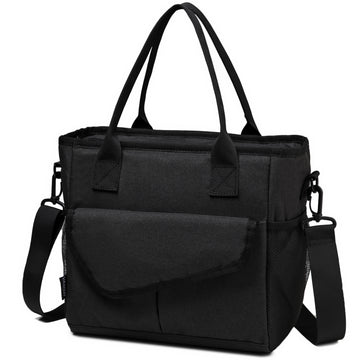
Vaschy lists the Small Puffer Tote at 11.3 liters. It makes sense to try if your instructions permit a bag and you need a folded layer or a book along with the reporting documents. Stand the folder inside the tote first, then add the garment and pull the folder out. If the soft layer drapes over the paper opening, try placing the garment on its side and leaving the document edge visible.
Shop the Vaschy Small Puffer Tote in Black if a single approved bag with extra room would make waiting and changing layers easier. Fit is specific to the actual folder, contents and opening. If the unfilled tote is still beyond the size your venue allows, don’t substitute volume for the actual limit. Go back to the approved dimensions or ask for guidance.


Take one last look the night before
Should I assume a phone or laptop is allowed?
Check your exact instructions. Permissions can differ by courthouse and how the item will be used. Bring the information you need in an allowed form. If you expect to need something the notice does not address, speak to the court first rather than choosing a bag specifically to carry it.
Is a small crossbody enough for an unfolded summons?
It depends on the outside of the envelope or folder and the shape of the bag’s mouth. Compare both in the orientation you want to use. Try closing the bag and then putting the paper back after you have packed everything else. If you only manage to fit it by bending it, use another allowed way to carry it.
Choose the bag after you know the approved load
Keep your completed entry test in mind as you pick the format. Pick the bag that lets you present the requested paperwork, then sit down and reach whatever you’re allowed to use next. Shop the Vaschy Vegan Crossbody Purse if the paper kit and essentials stay compact, or shop the Vaschy Small Puffer Tote if your courthouse allows it and a permitted extra layer justifies the room.


