How to Choose a Carry-On Bag for a Long-Distance Bus Ride
Build a seat kit you can reach without unpacking. Compare a compact messenger and a backpack using the same route, layers and transfer plan.

Pack the long-distance bus bag for the first hour in your seat and for your next transfer. Start with the cabin allowance for every coach on the trip. A slim messenger is worth trying for a light kit. A backpack can make more sense when a layer or meal adds bulk and the whole packed bag still meets the applicable allowance.
Read the baggage note for each leg before packing
Write down the operator shown for each leg, including a connecting coach with a different carrier. Find its current cabin and stored-baggage instructions. Greyhound’s baggage page distinguishes the bag that travels inside the coach from baggage placed in its storage compartment. Trailways also publishes its own baggage information. Use the directions attached to your particular booking and follow staff instructions on the day. An allowance in one carrier’s example is not permission on another ride.
Record the permitted number of pieces, the maximum packed measurements that apply and where the carrier expects each piece to go. If the booking includes a transfer, use the most restrictive applicable allowance unless you have confirmed a different arrangement. Check the bag after you have filled it. A bottle pocket or elastic exterior can make the bag wider than its empty measurements, and folded clothing can push out a fabric side even when the zipper still closes.
Measure from the farthest outward points. With a soft bag, stand it upright on a flat floor before you measure. The handles can be folded into their normal position if that is how you will store them, but include anything sticking out that can’t fold in. If an allowance needs more explanation, contact the carrier before you buy or switch bags. No Vaschy model in this guide should be assumed to qualify solely from its size category.
Give the seat kit one job you can describe
The cabin bag should hold the items you expect to touch before arriving, plus whatever needs to stay with you under the operator’s rules. Start with ticket access, any required documents and a phone. Add what you will actually reach for once seated, such as permitted refreshments, a charged device or something to read. A light layer can earn its room on a longer ride. Pack for the next step as carefully as the first boarding because your arrival stop may be dark or unfamiliar.
Separate two moments. During boarding, you may need a ticket or phone without having a stable place to set the bag. During the ride, access should work with the bag in its assigned spot. Use separate pockets for those purposes if you already have them. A phone lives in the boarding group until you sit down. A small cable or earbuds can travel in the ride group. At a transfer, moving the phone back to a known pocket makes a simple reset.
Do not build the kit around an assumed power outlet, Wi-Fi connection or time for shopping at a stop. Check your route’s information and save a copy of any directions you will need to consult when service is poor. Read the operator’s journey tips before departure. The useful decision for bag shopping is how much space the essentials use before adding an untested extra.
Try your reach with a chair at home
Set the packed bag beside a chair for the test, or use a permitted storage position you’ve confirmed. Sit down and pull out three items in order. Try your first real reach, such as getting a sweater without pulling the water out. Then take out the smallest item, close the pocket and stand up with the bag. You want to know whether the opening still faces you and whether a long strap falls under the chair. This rehearsal helps you choose a format. It doesn’t predict coach layout or authorize a storage location.
Practice the transfer before choosing a larger bag
With both pieces packed, imagine your larger suitcase is already in the bus’s baggage compartment. Pick up the cabin bag and keep the things that must remain with you in it, following your operator’s instructions. Then simulate changing buses. Have your ticket ready, grab the other piece if the driver or carrier says you must collect it, and move to a second spot with everything in hand. If you keep setting down the smaller bag to manage a handle, test whether two shoulder straps free the hand you need.
A long ride with a baggage-bay transfer can make a very small bag the more convenient choice, provided the cabin kit still fits. A short trip with an extra sweater and a sizeable meal can make a compact messenger awkward. The move that matters is the one you can’t postpone. Think through opening the cabin bag before a connection, closing it with someone waiting nearby and putting the ticket away so you can find it without stopping.
Try a second boarding with one hand in use
Imagine that you have to switch coaches partway through the trip. Put the bag tag or other details your operator wants in the place you expect to reach them. Keep one hand on a suitcase handle and reach for the ticket. Try the sequence again just after you’ve taken a sweater out. You may need a temporary spot for the sweater while you close the bag and get your next ticket ready.
When the first solution fails, name the failure. If you can’t put the phone away without setting down the suitcase, give the phone a different pocket and repeat the task. If you can reach the phone but the messenger hangs forward and bumps the suitcase, try the backpack with its straps adjusted. If the backpack requires taking everything off at every step, a smaller, shallower kit may fit the trip better. The simpler routine is the one you can repeat in the actual boarding order.
Leave a little room for the trip home
A zippered pocket that fits a full snack pouch on departure may have to hold a folded wrapper or a small purchase on your return. Air space above a folded layer is often easier to manage than a bag packed hard around a thin pocket. Repack with the layer crumpled as you might do at a stop. If it pushes past the base of the zipper, use a smaller kit or evaluate a larger format against the booking before changing anything.
Compare Vaschy bags for the same seat kit
Use the shallow messenger for a light cabin load
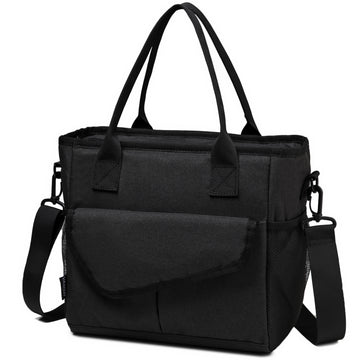
The Vaschy Classic Lightweight Messenger Bag is listed at 5.4 liters. It has a front flap, a zippered closure and smaller storage positions in the main compartment. It is worth trying if the kit is roughly the size of a slim book, compact layer and a few small items. Let the pocket that opens nearest to you handle the things you reach for early. Put the longest item in first and test whether the flap still closes after the rest goes in.
Shop the Vaschy Classic Lightweight Messenger Bag in Black-s if you can keep the kit narrow and prefer to wear it close at a transfer. This format can be convenient when you expect to open it one-handed. Test it with the phone or book you actually use and verify the fully packed measurements with your operator.

Try a backpack when a layer takes most of the room
Vaschy lists the Lightweight Classic Backpack at 19 liters and describes two large compartments plus smaller exterior storage. Test one large area for the soft layer and the other for a group you want to reach without shifting it, such as a printout and a hard case for a device. For a coach aisle, make sure any strap ends stay within the bag’s footprint when you put it away.
Shop the Vaschy Lightweight Classic Backpack in Lavender Plaid-L if carrying a bulkier kit on both shoulders would help you handle your luggage. The pack’s extra room is useful only if your operator allows its actual loaded size. Check the opening in the chair test because you may want to lift it higher before you can see into both compartments.


Questions to settle before departure
Should I keep a second pouch in my hands?
If the carrier limits you to one cabin piece, keep the pouch inside the permitted bag when you board unless you have been told otherwise. A small zip pouch can still work as a group of items to lift out during the ride if your storage rules allow. When not in use, return it to the bag right away so you don’t have a separate object to remember when leaving your seat.
How do I choose if the bags both fit?
Use the narrower bag if you can reach the main three items while seated and still pack the return load. Try the backpack if the messenger repeatedly has to come off your shoulder for you to manage its weight or if you have to press the same sweater away from the zipper every time you zip it. If moving one item clears the zipper, make that adjustment before spending money on a bigger size.
Choose for boarding and the first hour in your seat
Put the ticket where you will reach for it first, then do the seated reach before you compare colors or capacities. Build the bag around the things you would still need if the larger piece were stored out of reach. Shop the Vaschy Classic Lightweight Messenger Bag for a slim seat kit, or shop the Vaschy Lightweight Classic Backpack if your route allows the packed dimensions and the extra compartment lets a larger kit stay organized.


