How to Choose a Bag for a Used Bookstore Trade-In
Choose a bag for a stack the bookstore may buy, decline or exchange for different titles.
The store might take one book, several books or none. Choose a bag that can carry the whole stack both ways. A tote works for a short walk with a few books you can lower flat through the opening. A backpack may suit a longer route when you want both hands available and the books fit without forcing the zipper. Plan to carry every book home before you leave. What the buyer accepts and what you buy afterward can change the load in either direction.
Ask about the buying visit before you pack
Independent bookstores set their own process. Bison Books' guide to selling books recommends arranging certain visits with its buyer and explains that seeing a book in person matters to the offer. Powell's Books Chicago's buying policy describes contacting the buyer with the nature and quantity of books, with appointments for larger batches. Read the current rules from the location you plan to visit. A store that sells used books may only buy at particular times or accept certain categories.
Ask what happens when the store declines a book. Will you take it home right away, collect it later or decide on another destination? Also check how the offer is made and whether you need to bring anything for check-in. Don't count on a shop taking a donation, disposing of a rejected copy or letting you keep a container there unless it says so. The bag needs to work for the option that leaves you with the whole stack.
Ask about boxes or other preferred containers if you have a large group of books. A backpack or tote can be suitable for a modest batch you can manage. For larger lots, follow the shop's instructions and arrange transport for the actual load. Buying a bigger bag isn't an advantage if you can't carry it comfortably or the shop asked for something else.
Build a small batch you can unpack at the counter
Start with books that meet the buyer's posted criteria. Remove personal bookmarks, notes and anything else you want to keep. Check loose covers and jackets and use a suitable protective cover or rigid carrier where appropriate. Try the tallest book, the widest hardcover and the complete stack. A hardcover that clears the opening on its own may wedge between the other books and the zipper when the bag is full.
Put books in an order you can repeat. Use a clean divider or suitable sleeve for anything with a delicate jacket and keep it separate from keys and bottles. At the counter, set the bag where staff directs and lift the books out one at a time if that's what they prefer. If the contents can only come out as a single heavy stack, pack fewer books or carry them another way.
Keep your own reading book in a separate place if it also comes with you. It can look like another trade-in copy after you've set everything on the counter. Use the same approach for anything the buyer wants you to collect later. Put the collection note in a different pocket from the books, and confirm the timing before leaving.
Test three return loads with the same bag
The store takes none of the books
Repack the entire original batch. Leave enough room for any packaging you removed and any layer you stowed during the trip. Try lifting it off the floor or a bench after repacking. The bag should close without forcing a cover to bend. Walk part of your return route with the full test load before deciding how many books to take.
The store takes part of the batch
Use the space that's left to return declined titles without putting them loose beside keys or a water bottle. Take a moment to count them if that helps you keep track. Ask the store to confirm which books are being purchased, then store the receipt or trade note where you can find it. Your own book should still be in its separate place.
You buy or trade for another book
The book you choose may be wider than the books the store takes. Before adding it to the bag, check how the corners clear the opening. Put it alongside the remaining books rather than trying to push a wide corner around the zipper. If your bag is already full, use an appropriate carrier for the purchase. Bay Used Books’ FAQ describes its own approach to store credit. Check whether the shop you visit offers credit and whether you can use it immediately.
Compare a tote and a backpack with the same books
Quilted Puffy Laptop Tote for a short trip and flat access
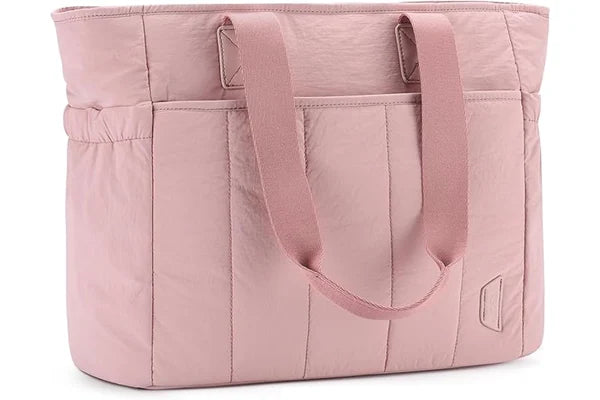
The Vaschy Quilted Puffy Laptop Tote is listed at 18 L and has a quilted tote shape. Compare it for a few books that pass through the opening and can be lifted out at the counter. Test the complete stack, not just one book, and check how the handles feel on your own route. Shop the Pink Quilted Puffy Laptop Tote if the bag also fits the other errands you make and can carry the full return batch comfortably.

A tote can be simple to set beside a counter, but a stack with a heavy hardcover at one end may shift as you lift it. Reorder the books or use a suitable carrier if that happens. The quilted appearance doesn't establish what the tote can hold safely or how it will protect a fragile book. Wrap or carry delicate titles appropriately and ask the shop how it wants them brought in.
Square Palette Pack for a longer walk or transit
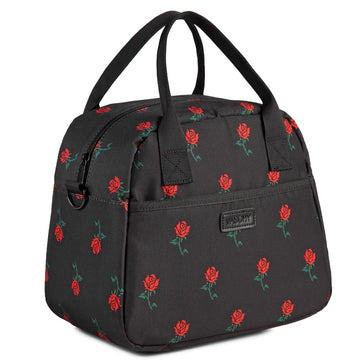
The Vaschy Square Palette Pack has a rectangular profile, two top handles and backpack straps, with a listed capacity of 18.5 L. It's a candidate if a walk or transit transfer makes backpack carry useful. Try the stack against the actual opening and check if you can take out each book without dragging it across the zipper. Shop the Black Square Palette Pack if the full stack clears the opening and two-strap carry works better for your trip.

Use the top handles when they make it easier to move the bag between a chair and the counter. Try setting the packed bag down and standing it back up without books shifting toward the opening. The capacity figures for these two bags are close, yet the loaded shape, the way you reach the books and how you carry them can make either the more practical choice.

Measure the opening and test the counter handoff
Stand the tallest book up and measure its full cover, including a jacket or protective cover you want to keep on it. Then lay the widest book over the packed bag and compare it with the usable opening, not the fabric width you can see from outside. Use the same layout with all the books inside. A flat stack that fits the bag may still have to pass around a curved zip track or a narrower section near a handle.
Move the full test load from home to the counter height you expect at the shop. Pull out one book, set it aside and pull out the next. If you need one hand to support the bag while the other struggles with the stack, try fewer books or a container that stands more securely where you are allowed to put it. Ask the store how it wants you to present a small batch. It may prefer a box for evaluation even if you can fit the books into a tote.
Now add one book you might buy and leave everything else in place. If the new volume only fits by bending a paperback or putting a bottle against a book jacket, give the purchase its own carrier. Think about whether you want a bag for this specific trade-in or one you can use for normal library and bookstore visits. A bag worth buying for repeat use should serve the smaller ordinary load too. For a one-off large lot, the shop's preferred container and suitable transport often matter more than buying an everyday bag with extra room.
Plan for the offer before you browse
Ask the buyer to explain what is accepted, what comes back and what record you need if the transaction is not finished today. Keep declined books together and give the receipt or collection note its own place. If you want to use any credit to buy a book, ask how it works at that shop before picking a title. The bag should give you a way to leave the counter with the trade-in books in one place and anything you bought in another, even if the two groups travel in the same carrier. If a new book needs its own carrier, check what the store offers before you rely on it. Put the original batch back into the layout you practiced. The purpose of the second carrier is to avoid forcing the two shapes together while you are paying and putting your things away.
Choose for the complete trip home
Picture a short walk with three ordinary hardcovers. If you can lift each out in one motion, the tote may suit the counter and the rest of the afternoon. Now picture the same books plus a broad art book on a route with stairs. The backpack is worth testing, but if that book won't clear the zipper, carry the broad book separately or arrange a different visit. The right bag depends on both the route and the book that is hardest to fit.
If the complete stack is manageable and you prefer direct access beside the counter, shop the Pink Quilted Puffy Laptop Tote. If you walk farther and the book corners clear the main opening, shop the Black Square Palette Pack. Keep room for a declined title or a new find before you count on the load getting smaller.


