How to Carry Bakery Bread Home in a Tote
Test the real bakery order, from one round loaf to a baguette and a boxed pastry.
Choose a tote that fits the bakery’s wrapped loaf and gives it room apart from the rest of the shopping. Check the opening with the bread you normally buy. A round loaf calls for enough space across the top and the base, while a long baguette may travel better in its own sleeve carried separately. If you add a boxed pastry, test the box and loaf together before choosing a bag.
Think of the tote as the carrier for the package the baker hands you. Leave the bread in that wrapping for the trip, and follow the baker’s advice on what to do with it once you get home.
Start with the loaf and the wrapper
King Arthur Baking’s guide to storing sourdough distinguishes crusty loaves from softer bread and discusses how wrapping affects texture. The advice for storing a loaf after you’re home is a separate question from carrying it across town. Josey Baker Bread describes its own paper-bag advice, and La Farm Bakery also discusses paper for a crisp crust. Ask the bakery how it wants you to carry and store what you’re buying.
If the loaf is warm, ask how they recommend handling it for your particular route. Avoid changing the wrapping just to make the package fit the tote. If the bakery has a standard paper sleeve or bag, measure around that rather than an unwrapped loaf. Give the package space so you can lift it out by the wrapper without putting pressure on the sides of the bread.
A sliced sandwich loaf in its usual bakery wrap presents a different shape from a round crusty loaf. The best place in the tote is the one where the package is supported and you can remove it without shifting the whole load. If you buy something with specific holding or storage directions, use those instructions for that item and keep it separate if the bakery recommends it.
Match the bag opening to your usual order
A round loaf can look smaller on a shelf than it feels in a bag. The widest part has to pass through the opening while the wrapper is on. Use an empty paper bag or a clean box of a similar size to test your tote at home. Put the largest item in and lift it back out. If the handles need to spread widely or a zipper presses into the package, pick another carry method or keep it separate.
A baguette gives you a length problem. Check how much of it the bakery sleeve supports and how you’ll hold it on the route. It may be easier to carry the wrapped loaf on its own if the tote makes it bend or puts the end where it will bump into things. If you put a long wrapped item in a tote as the bakery suggests, make sure it can ride without bearing the weight of the other things in the bag.
A pastry box needs a level place of its own. Check that the carton can go through the opening and sit level in the position the bakery recommends. If you have a loaf and a box, see whether you can lift each one out without moving the other. Avoid stacking a dense loaf on something that needs a clear top. Two small carriers or a box in hand can work better for that trip than a bigger tote with one crowded opening.
Try the route with the bag half full and again with the complete order
Start with your keys and wallet and whatever you expect to carry before reaching the bakery. Place them where you can pay without setting a loaf down. After checkout, they should be easy to put away without reaching across a box. Leave a separate place for the receipt if you’ll need it at another stop.
Suppose you walk home with one round loaf and a bag of coffee. Try putting the heavier packaged item where it can’t slide into the bread if you turn. A short test with stand-ins can show whether the opening closes without bending the paper. If you also buy pastries, rehearse the same trip with a clean carton the size of the one the bakery uses. Open a door, stand at a chair and see whether the carton shifts when the bag is set down. Change how you carry it if the box tilts.
For a bus trip, think about where the tote would sit once you’re seated. Put it where permitted and check whether the load changes shape when the bag is next to your legs. If you’ll make more stops, decide which packages can share the bag and which need separate room. You may want to buy the loaf last if that makes it simpler to carry without placing other items around it.
Test the order at the counter, then test it at home
Ask the bakery what size box or sleeve it normally uses for your order. Use two empty packages as stand-ins, with a similar shape to the bread and box. Place the wrapped loaf in the bag, add the carton, then try lifting the loaf out first. If you can only remove it by tipping the box, decide which one you’d carry separately. Try the order you’ll actually use when you unpack. The person taking the box for a gathering may want to pick it up without touching your bread or personal items.
For a stop on the walk home, keep your payment or transit card reachable after the bag is full. A small pouch can sit beside the wrapped loaf only if it won’t press into it. Put any dense items in a separate bag when they crowd the bread or the corner of the box. Imagine getting on a bus or putting the load beside your feet at a table. If you can’t set the bag down without moving the packages into a different position, split the order earlier.
On a day with just a soft sandwich loaf, check how the tote holds that familiar shape without pressing on the ends. For a round loaf with a broad middle, the opening may be the deciding factor even when the same tote worked the day before. If you occasionally get a baguette, make the plan for that extra length before buying a larger everyday bag. The bakery’s sleeve carried as the bakery recommends may do that particular job better.
When you get home, place the package on the counter before using the bag for something else. Check what the bakery says about its own bread and how you plan to eat it. A crisp loaf for the same evening and a soft loaf for later in the week can call for different wrapping or storage. The packaging used on the walk is only one part of the decision.
When you buy the same order regularly, use the package that gave you the most trouble as the deciding test. If the tote carries the round loaf but bends the carton, reserve the tote for the loaf. There is no reason to buy more volume just to fit a box you prefer to carry by hand.
Compare two Vaschy totes with the bakery’s package
A quilted tote for a smaller regular bakery order
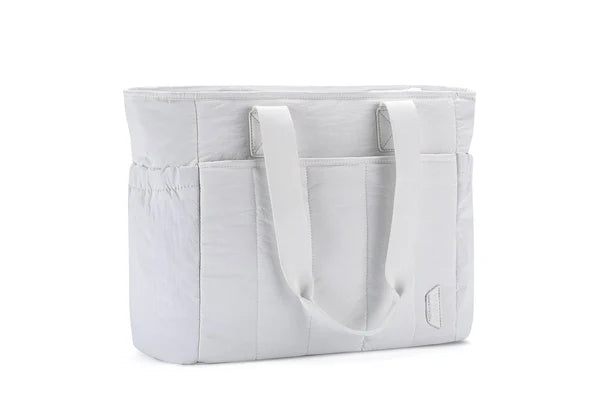
Vaschy lists the Quilted Puffy Laptop Tote at 18 L and shows a quilted tote shape. Compare it if you already want an everyday tote and usually buy one wrapped loaf or a small box. Test the bag with the complete wrapper and check the top opening with whatever personal items are already in it. Shop the Beige Quilted Puffy Laptop Tote if the package clears the opening and sits without the rest of your load pressing on it.

Try the tote with the coat you’ll wear and the way you’ll carry it home. The bag may shift when you lift it from the bakery counter. If the package leans against a hard pouch or bottle, move those items to another place or leave them out for the trip. The quilting is part of the design. Keep the bakery’s wrap as the surface that contacts the bread.
A structured canvas tote for an order you can lift out in pieces
Vaschy describes the Canvas Tote Bag for Women as structured, with a detachable shoulder strap. Compare it when you want to reach directly for the package and see where it sits before lifting the bag. Try the wrapped loaf or the box with the bag standing the way you’ll set it at home. Shop the Sky Blue Canvas Tote if the order fits without crowding and you can carry it in the position the bakery recommends.

Test the handles before using the shoulder strap. A package that feels steady in hand might tilt when the strap takes the load. If you can carry the box and the loaf apart, try the tote for the wrapped loaf and keep the box level in its own carrier. The main thing to protect in that arrangement is the position of the two packages relative to each other.
Open the bag when you get home
Lift the bread package out before putting the other items away. Follow the baker’s storage guidance for that loaf and how soon you plan to eat it. The outside tote has finished its job as soon as the package reaches the counter. Keep it clean for its next use and inspect any paper or carton that came home wet or damaged.

If you usually buy one wrapped loaf and want a tote that fits your regular errands, shop the Beige Quilted Puffy Laptop Tote after trying the opening. If you want a more defined place to set a wrapped loaf or a small carton, shop the Sky Blue Canvas Tote and test how it sits when lifted. A long loaf or large box can still come home in a carrier of its own.


