How to Choose a Backpack for a First School Bus Ride
Test a child’s loaded backpack with a chair at home, then decide which opening and compartment layout helps them keep the bag close and closed.
Let your child try a loaded backpack with their usual jacket and a chair before the first school bus ride. Follow the transportation provider’s directions for the bag, then practice closing it, putting it where directed and getting the folder out in class. Compare a compact backpack and a divided one using the same school supplies.
Start with the route and the load the school requests
Find the first-day information for your exact route. Read the directions for the stop, boarding, seating and belongings. The Issaquah School District school bus handbook is one example of a district explaining transportation to families. Transport Canada describes responsibilities shared across governments, boards and operators. Use your local provider’s rules and the directions given by staff. If you can’t tell whether the bag must go in a particular position, ask rather than rehearsing a guess.
Separate the school’s packing list from the things the child needs for the first minutes of the day. Put the required folder and supplies on the table. Add the actual lunch container and water bottle if they travel inside the bag. Make a separate pile for any item that only needs to be available at arrival. A bag may feel easy with one empty folder but become difficult to close after breakfast when a full lunch container goes in.
Note anything the route or school expects to be visible or easy to present. A school might send a tag or give site-specific instructions. Keep those requirements where the school directs, and follow its instructions about the details displayed. A practice note for the family can identify the steps in order without putting personal information on the outside of the backpack.
Make the trip from home to class one simple sequence
Try saying it in three or four actions your child can remember. Start at home with a closed bag, put it where the route provider tells the child to place it, and handle the folder once the teacher asks for it in class. If an item never needs to come out between home and classroom, choose a spot that keeps it put. Keep the whole routine tied to the school’s own directions rather than encouraging the child to rummage on the bus.
Use a chair to rehearse taking the backpack off and putting it back on
Put a sturdy chair in your home where there’s room to move. Have your child put on a filled backpack using both straps, walk to the chair, take the bag off and set it in the position your provider describes. This is a home rehearsal for picking a bag. It cannot show whether a bag fits an actual bus seat or establish what to do on a particular vehicle. Follow the driver and local transportation instructions on the day.
Test with the layer your child normally wears to the stop. A thick sleeve can make it harder to find a zipper tab, and straps that were comfortable in a thin shirt may feel like a different setup over a coat. Let your child put the bag on again and stand with it fully closed. Ask where it caught or which step needed help. Change one thing and repeat the motion. If a pocket opens easily at waist height but feels awkward when the bag rests lower, move its contents.
Look at objects hanging from the exterior. If a key ring or long loose strap catches during the test, remove unnecessary attachments and use normal strap adjustment as directed for your bag. Check all zippers before walking away. Put the bottle in its intended pocket and tilt the bag gently as you would lifting it off a chair. If the bottle shifts, try another compatible pocket or bring a bottle that fits. A well-known position for a closed pocket can simplify the reset for the next day.
Compare what happens after the ride
Put the backpack back on the chair and pretend the child has reached the classroom. Ask them to take out only the folder. See if lunch or a spare layer comes out with it. Try the same motion as if the bag were in its usual storage spot at school, with permission to open it and room to reach. If two hands are needed to hold the bag and the folder at once, test a different organization.
Have the child return the folder without bending the subject dividers. If a bottle pocket presses against a wide lunchbox and changes the folder’s route, identify that interference before choosing a larger bag. Another arrangement might work better. If you pack the lunch for the child, try returning it yourself while standing. The bag works for your routine only when both people can use it the way they need.
Decide where small items go at the end of the day
When there is a task the child repeats, use one named pocket for it. A small pencil case or clean tissue packet might come out at school and go back after class. Try the same job while the large compartment is full of papers. The child can point to the location and practice without looking inside every pocket. If the organization requires a long explanation, choose a simpler setup.
Try a morning with a late addition
Imagine the school asks the child to add a thin activity folder just before leaving. Give them the new folder and ask them where it would fit without pushing out the lunchbox or moving a bottle to a place where it slides. Have them close the bag and repeat the seat rehearsal at home. Then take out the folder when you reach the imaginary classroom. The extra item should join a known spot. A bag that only works with the original arrangement can be frustrating when the school day changes.
Try the same plan when the bulky item is a familiar extra layer. Before you add it, ask the child whether it belongs over or beside the folder. See what happens when they set the bag down and put it back on. One child may find two separate main compartments easier to remember. Another may want a smaller opening with fewer places to search. Look for specific wins, such as a flap that clears the folder or a pull the child finds through their regular clothing.
For a family whose child moves among more than one pickup location, do the same classroom step after switching the bag’s starting place at home. Make sure the written route instructions stay where the adult can use them and any label follows the school’s directions. Rehearse one simple thing the child actually controls, such as checking both zipper ends before walking to the door. Leave special transportation instructions to the provider.
Compare two Vaschy backpacks with the same required gear
A smaller child’s backpack for an uncomplicated load
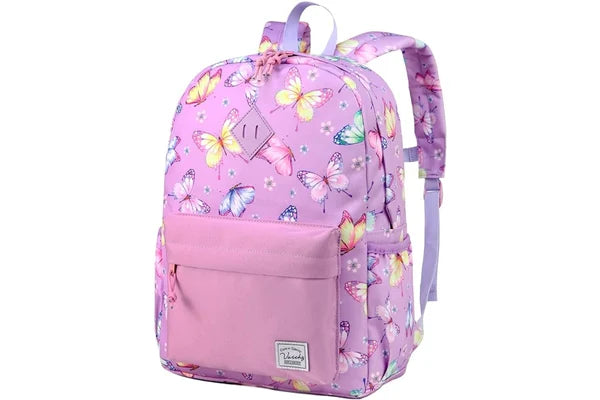
Vaschy lists the 15-inch Lightweight Backpack for Kids at 11.5 liters. It can be worth trying when the school list is short and the child prefers a lighter-feeling, simpler carry with everything in a known place. Set the real folder, lunch and layer inside before judging. The capacity figure gives you a starting point for comparison. It cannot guarantee a specific folder or bottle will fit.
Shop the Vaschy Lightweight Backpack for Kids in Butterflies if the child can handle the required load and close it without shifting everything. Ask them to show you where the folder goes. If the bag is too full to close comfortably when the lunchbox is in its place, choose another layout or load before expecting the child to make it work each morning.

A divided backpack for school days with bulkier supplies
Vaschy lists the Lightweight Classic Backpack at 19 liters and describes two large compartments and longer zipper pulls. Put the folder in one section and test the lunch or layer in the other. The layout can be useful when the child often needs to pull out one flat item without removing a bulkier one. Check the fully loaded shape with the child and against the provider’s rules.
Shop the Vaschy Lightweight Classic Backpack in Yellow Black-L if two large compartments solve a problem with your child’s school setup. Keep the school supplies identical as you switch bags so your child can compare the two layouts. A child who cannot handle the larger bag comfortably may do better with a different arrangement for some supplies.


Make your choice after one real-size run
Should we use the larger backpack so it can last longer?
Start with what the child needs this term. A bag that offers room for more supplies later should still work with the child’s current clothes, packing habits and route instructions. Try putting it on, putting it down and getting the folder out before choosing.
How can I tell whether the bag itself is the problem?
Keep the same number and kind of items and move the biggest pieces first. If the child can now reach the folder but needs help closing the bag when it is full, test the opening. If they can close it and carry it easily after rearranging the items, the layout may already work.
Shop for the morning the child can do again tomorrow
Set out the regular supplies, run the chair practice and choose what the child can manage on the first trip and at the classroom door. Shop the Vaschy Lightweight Backpack for Kids if a smaller load is enough, or shop the Vaschy Lightweight Classic Backpack if the two-compartment layout helps keep the required supplies easy to reach.


