Water-Resistant vs Waterproof Backpacks: A School-Day Rain Check
Read backpack rain claims at the fabric, compartment and whole-bag level, then check separate protection and everyday access for your school supplies.
You choose a backpack for books, papers and the trip to school. Then a rainy forecast adds another question: what does its water-resistant description actually cover? Check that before relying on it to protect your notes or laptop.
Water-resistant fabric may slow water penetration. A waterproof backpack is designed to keep water out under stated conditions, so its claim needs a clear scope and instructions. For school, check what the claim covers, how important items will be protected and whether you can use that setup during a normal day.
There is no universal number of minutes here that makes a water-resistant bag sufficient. A quick walk can include an uncovered wait, and an extra protective container needs room to close as intended. Start with the information on the exact product you are considering.
Read the claim at the right level
Find the sentence describing water protection in the current product description. Then identify its subject. Is the seller describing the outer fabric, one pocket or the complete closed backpack?
These are different claims. A statement about water-resistant polyester does not tell you whether the seams are sealed, how the zipper is protected or which compartments were tested. A description of a waterproof main compartment does not automatically include an exterior phone pocket.
REI's guide to backpacking in the rain explains that a pack can use waterproof material while leaving water entry paths at seams and openings. That construction distinction is relevant to a school bag, too. A surface photograph or the appearance of droplets on fabric cannot answer all of those questions.
Keep four details from the listing together:
- Scope: the fabric, a named compartment or the entire bag.
- Conditions: the exposure the manufacturer actually describes.
- Instructions: how the closure must be used for the claim to apply.
- Limits: excluded uses or parts of the bag that remain unprotected.
If the listing does not supply a detail, leave that part unresolved. Do not fill it in from a product tag, a similar-looking backpack or another brand's demonstration. A seller's use of the word waterproof is a reason to look for supporting information, rather than the end of the comparison.
You do not need to become a fabric specialist to ask a useful question. Ask whether the stated protection applies to the complete closed bag, including the pocket you plan to use, and what evidence and closure instructions support it. If a test rating is given, ask about the conditions and parts covered by that specific result.
Follow the water through the school day
Look at when the bag may meet water, including the times it is opened. The walk to the bus stop, a wait outside a building and taking out a notebook before reaching shelter create different situations.
Plan to retrieve materials after you have somewhere dry to rest the bag. Choose a pocket for the small item you need on the journey, so finding it does not require opening the compartment holding your papers.
Think about water introduced from inside as well. An umbrella that comes in wet needs a place separate from dry papers. A bottle with a loose lid can wet the contents from within the bag. An outer rain cover does not separate those wet items from your notebooks.
For a younger student, choose a routine the child can repeat. If a protective pouch stays open because the closure is difficult to use, it is not being used in the condition you planned. Have the child practice on a dry day, and follow the school's rules about what may be carried.
School routines vary across the United States and Canada. Use your own route and local forecast rather than assuming every campus commute has the same exposure. Check the return trip as well as the morning departure, especially if the bag will contain extra items after class.
Give important contents a protection plan
A rain cover, an internal liner and a device case do different work. A cover sits over the outside of the backpack. A liner or separate protective container surrounds contents inside it. A device case addresses the particular item it was designed to hold.
Check the coverage of an external cover on the loaded bag. Look at its attachment instructions, the areas it leaves exposed and whether it stays in place during normal handling. Removing a cover to reach a pocket also changes the arrangement. Do not assume that adding one turns the whole backpack into a sealed container.
For papers or electronics that need their own barrier, review the intended use and closing instructions of the inner container. The material name and the closure both matter. Check that the complete item can enter it and that there is still enough room to close it normally.
Waterproof wording is not an automatic permission to submerge something. For example, Sea to Summit's dry-bag FAQ says the roll-top bags described there are not designed for submersion. That is a reminder to read the limits for the exact accessory you choose, rather than making a rule from its closure shape.
A padded laptop pocket or sleeve raises a separate question about cushioning. Padding alone does not establish water protection. If you need both, check the documented purpose of each layer and how they work together with your device.
Any additional container takes room in the backpack. Keep its closing area clear, and include it when you arrange the ordinary school kit. A protection plan that works only after you remove a required textbook will need a different arrangement.

Use a current Vaschy listing as the example
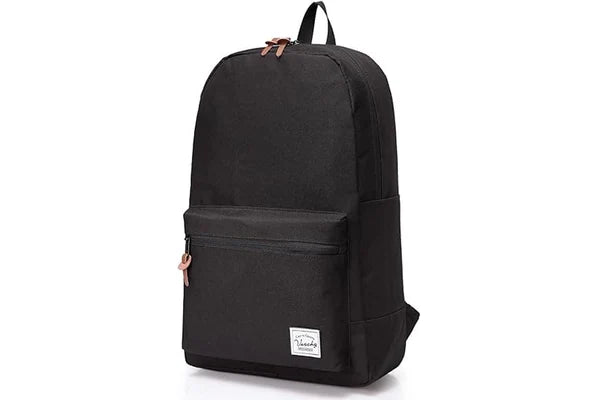
The current Vaschy Best Pop Daypack description calls its fabric water-resistant polyester. That is the wording to use when considering this model. The description does not provide a quantified whole-bag rain test or establish that your papers and electronics stay dry through a particular exposure.
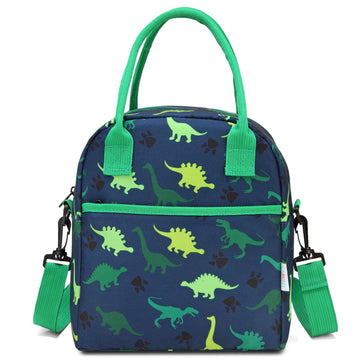
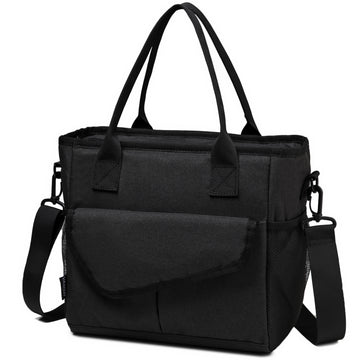
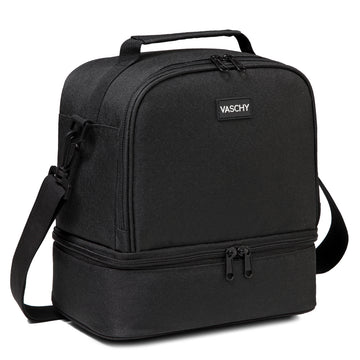
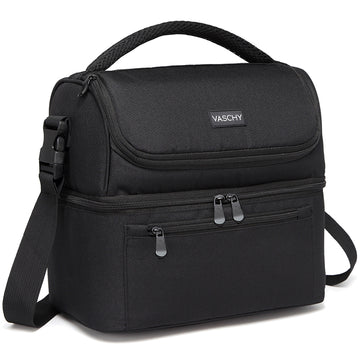
The official gallery gives you a way to inspect the bag's appearance, openings and organization. Use those views to plan where an inner protective container would sit and which pocket you would open during the trip. The photographs do not test rain protection or confirm that your chosen accessories fit.
If you like this layout for everyday school use, review the current product and color options while keeping the rain requirement separate. Ask through Vaschy's contact page if water protection determines the purchase. Give the exact product link and explain the use you need confirmed.
Here is a question you can adapt:
Does the water-resistant statement for this model describe the fabric or the complete closed bag? I plan to carry school papers and a device during [your usual trip]. Can you provide the conditions, compartment coverage and closing instructions for any stated water-protection result?
If the information remains unavailable, base your choice on the features actually documented. Do not turn the missing information into a rainproof promise. Keep the layout comparison useful while you confirm the protection you need.

Rehearse the protected setup before the rainy morning
Use a dry indoor space to check how the setup works. This is a handling routine for you to try, not a water test performed for this article.
Start with the papers, books and supplies you normally carry. Add any protective container with the items it is meant to hold already inside. Close it according to its own instructions, then put it in the backpack and close the bag normally.
Check for a caught corner, a book pressing into the closing area or a zipper you need to force. Rearrange the kit until each closure can work as designed. If that is not possible with your required supplies, compare another container or bag.
Next, retrieve the item you expect to use on the journey. Put it away and close everything again. Repeat the sequence for a classroom item, with the bag resting beside a chair. Check that retrieving one object does not leave another protective container open.
For a child, let the child do the steps at the pace they normally use. Watch for closures they cannot finish or layers they cannot put back in place. Change the arrangement if it is too complicated to repeat, rather than assuming an adult will always be available to finish it.
Keep any new-purchase inspection consistent with the current Vaschy return policy. The policy has condition requirements, charges and exclusions. Do not soak or spray a new backpack to investigate an undocumented claim; this dry routine is not a free trial or a guarantee of return eligibility.

Decide what needs to change
Let the missing evidence or awkward step guide what you change.
If the everyday layout works and a separately documented protective container fits your important items, you have a setup to compare against the exposure you expect. Check the instructions for all parts of that setup. The backpack's fabric claim has not changed because you added another layer.
If your trip requires protection the seller cannot confirm, compare a bag or accessory whose documentation addresses that use. Look for the relevant conditions and compartment coverage. A more confident adjective or a larger capacity is not the missing evidence.
If the layers make normal school access difficult, revisit the arrangement. You might need a different container opening, a different bag opening or fewer items outside the protected area. Compare the specific designs, keeping the necessary school supplies in the check.
Choose a separate place for the wet items that come home, too. A damp umbrella or wet outer layer should not be packed beside unprotected papers simply because the backpack has a weather-related label. Make that arrangement before the first rainy morning.
Questions before you order
Is water-resistant fabric enough for a school backpack?
The fabric statement alone cannot answer that. Check the complete bag's documented protection, the exposure on your route and what you need to keep dry. If important contents require a separate barrier, confirm that barrier's intended use and closure before relying on it.
Does a rain cover make a backpack waterproof?
A cover can add an outer layer of protection, but it does not change the backpack's own construction or seal every area by assumption. Check its coverage and attachment on the loaded bag, and review the intended protection of any items stored inside.
Can I assume a roll-top bag is safe to put underwater?
No. Read the exact manufacturer's submersion limits and closing instructions. Closure shape alone does not establish an immersion result. A rain-protection plan for school does not demonstrate protection for boating, swimming or any other water activity.
Shop with the rain question answered
Before choosing a color, note the claim's scope, any stated conditions and the items needing separate protection. Take that note back to the product page. It will help you compare the details that matter to your school day.
Review the Best Pop Daypack's current description and official gallery, or compare other Vaschy backpack layouts. Choose with the everyday kit and the required water protection both in view.


