Will It All Fit? A School Backpack Packing Checklist
Check the daily school kit together: folder, lunch, bottle and the extras that come home. Use these fit and access checks before choosing a bigger backpack.
The folder goes in. The lunch bag goes in. Add a water bottle and suddenly the zipper will not close.
Start a school backpack packing checklist with the things your child carries. Check the full daily kit together: papers stay flat, lunch comes out without unloading everything, and your child can close the bag without you pressing it shut.
You can try this with a backpack you already own. If you are comparing a new one, use the same objects and questions. This is a suggested household check, not a product test or a promise that a particular bag fits every school load.
Start with the school day, not the whole supply list
Before checking the bag, ask what actually travels between home and school. A supply list may include classroom materials, daily essentials and items needed only on certain days. Ask the teacher which category each item belongs in.
For example, Columbia Elementary's 2026-27 supply lists specify a kindergarten backpack large enough for folders and papers, while other grades name particular binders. Those are that school's requirements, not a size rule for every kindergarten or elementary student.
A Canadian example shows why the complete kit matters. École Inman's 2024 kindergarten welcome list asked for room for library books, a communication folder, lunch, a water bottle and spare clothing. Treat this as a dated example. Your child's current school list takes priority.
Make three small groups on a table:
- Every day: the assigned folder or binder, lunch if needed, water bottle and any required pencil pouch.
- Specific days: a library book, PE clothing, instrument accessories or another item the teacher names.
- Stays at school: supplies the teacher confirms can remain in the classroom.
Leave out the third group when checking an ordinary school day. For the second group, choose a realistic busy day so you can see what changes.
Check the complete lunch setup. Put the lunch box inside its usual insulated bag, with the ice pack, utensils and snack container you actually use. Close the bag. An empty lunch box does not show the shape of the whole lunch setup.
For broader help comparing bag size and features, read how to choose the right backpack for your child. The check below answers the next question: will this particular collection of things work together?
Check three things: the opening, the loaded bag and the zipper
A bag's listed volume does not tell you whether a rigid folder passes through its opening or whether a lunch bag can sit beside it. Exterior dimensions do not establish usable interior space, either. Check the actual entrance, the complete load and the way the bag closes.
If shopping online, write down your folder, binder and filled lunch bag measurements. Include protruding handles and any case. Where the listing is unclear, ask the seller about the opening or interior measurements for that exact model. Do not convert an exterior measurement into a guaranteed interior fit.

1. Start with the folder or binder
Use the one your child will carry, with papers inside. Slide it through the fully opened zipper without curling its corners. Then place it where it can remain flat.
Check whether the top corners sit below the zipper path. A folder may go into the body of a bag yet still catch the opening when it is removed. Try taking it out as well as putting it in.
Add the assigned notebook or book beside it. If your child uses a binder, check the filled binder, including its spine and rings. A thin empty folder is not a useful stand-in for that shape.
A folder fits for this checklist when it enters, rests and comes back out without bending, catching or forcing the closure. If you need to bow the folder to get it in, mark that as a failed check and compare another arrangement or bag.
2. Add lunch without rearranging everything
Place the closed, filled lunch bag in the main compartment. Try a position that keeps the folder flat and leaves the lunch handle accessible. Do not press a rigid lunch box into the folder to make the space look sufficient.
Open the backpack and take lunch out. Can you remove it while the folder and books stay put? Put it back in, then remove the folder. This second movement may reveal a problem the first one did not.
Imagine a student whose folder fits by itself, and whose lunch bag also fits by itself. If lunch pushes the folder corners into the zipper once they are together, the complete kit has not passed. That hypothetical example is why separate-item fit checks are not enough.
If a different lunch position works, keep it for the next step. Check again with lunch packed as it will be on a school day.
3. Add the bottle, small items and a return item
Use the actual water bottle, including its lid and handle. If you plan to use a side pocket, check whether it goes in and comes out easily and whether the pocket holds it securely during ordinary handling. Pocket presence alone does not confirm compatibility with every bottle.

Place a pencil pouch where it is easy to identify. A dedicated pouch can keep small supplies together; if you need one, compare the options in Vaschy's pencil-case collection against your child's required contents.
Add any school-requested spare clothes in their usual pouch or bag. Keep a closed bottle and lunch container separate from loose papers where the bag's layout allows it. Do not assume a pocket or divider is leakproof.
Now zip the backpack closed using an ordinary pull. Watch for a zipper that catches a folder corner, fabric trapped in the path, or a panel you have to push down hard. Remove the obstruction or change the layout. Forcing the zipper is not a passing result.
Finally, reopen the bag and add a realistic return item, such as the library book expected that week. There is no universal amount of spare space to reserve. Use what your school day is likely to bring home.
Let your child unpack and repack it
A backpack that an adult can pack neatly may still be awkward for a child at a cubby or lunch table. Put the loaded bag on a stable surface and let your child try the ordinary tasks.
Ask them to open it, take out the folder, retrieve lunch, reach the bottle and put each item back. Let them choose which hand holds the bag and which hand pulls the zipper. Avoid arranging every corner for them before the second attempt.
École Inman's dated kindergarten welcome document also encouraged practice opening and closing lunch containers and managing clothing fastenings. The same practical question is useful here: can your child manage the setup they will use?
Notice the task that slows your child down. Is a lunch handle buried? Does the bottle pocket require you to hold it open? Is the folder difficult to distinguish from a loose stack of papers?
Give each daily item a home: the folder in its usual section, the pencil pouch in the same pocket. Have your child repeat the sequence once after you change the arrangement.
Do a separate wearing check with the actual daily load and the straps adjusted for your child. Being able to close the bag does not establish that it is comfortable to carry. If the loaded bag feels awkward, review what must travel and reconsider the bag rather than treating more space as the only answer.
When something does not fit, change one thing at a time
Do not assume that a larger backpack is automatically the solution. Identify the first point where the setup stops working, then make one change and repeat that part of the check.
| What happens | What to check next | A useful next move |
|---|---|---|
| The folder bends at the opening | Opening width and shape; folder corners | Compare a different opening or a school-approved folder format. |
| Each item fits alone, but the zipper strains with all of them | Filled lunch shape; folder position; daily essentials | Reposition one object, then repeat the full load check. |
| Lunch comes out only after the bag is emptied | Lunch handle access; compartment arrangement | Put lunch in a reachable position or ask whether separate carry is allowed. |
| The bottle does not sit securely | Actual bottle shape and pocket opening | Try a compatible bottle or another bag; do not rely on pocket count. |
| There is no room on library day | The actual extra book and required daily items | Ask what can stay at school, then check the busy-day load again. |
| Your child cannot close or repack the bag | Zipper access and item positions | Simplify the arrangement and let your child repeat the task. |
If only an adult can repack the bag successfully, change the arrangement and let your child try again.
What to check on the Vaschy UltraLight Backpack
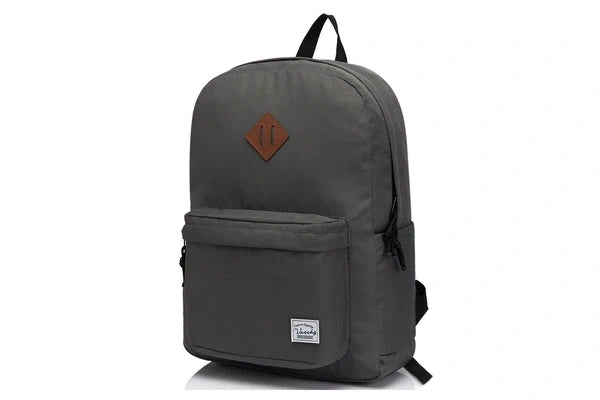
If you are comparing a simple school bag, the Vaschy UltraLight Backpack is one option to evaluate with this checklist. Its current listing describes a main zippered compartment with a file divider, a front zip pocket, two side water-bottle pockets, and padded back and shoulder straps.

Here is how those features relate to the check:
- File divider: try the actual folder and confirm that it stays flat and can be retrieved with lunch packed.
- Front pocket: compare the opening with your pencil pouch or other small supplies.
- Bottle pockets: check your particular bottle's shape and how your child removes it.
- Main compartment: check the complete daily kit and the expected return item together.
The listing gives a capacity of 20 L and a bag weight of 0.36 kg. Those figures describe the listed bag; they do not prove that a specific binder-and-lunch combination fits, and the bag's weight does not include the contents you add.
A file divider should not be treated as a padded laptop sleeve. If school requires a device, confirm the exact storage and protection requirements separately.
Use the broader elementary-school backpack collection to compare other layouts against the same school list. A category name is a starting point for comparison, not confirmation that every bag suits your child's size or carry needs.
Before trying a newly ordered bag, read Vaschy's returns and refunds policy and check the condition requirements. Do not assume that using a bag for a school day is a return-eligible trial.
See current colors and shop the Vaschy UltraLight Backpack →
A school backpack packing checklist to keep by the door
Keep this short version with your school list:
- The teacher has confirmed what travels daily and what stays at school.
- The actual folder or filled binder enters and comes out without bending.
- The filled lunch setup fits while papers stay flat.
- The bottle fits its intended place and your child can retrieve it.
- Small supplies have one consistent home.
- The zipper closes without squeezing or forcing the load.
- An expected library-day or return item can be added.
- Your child can take things out and put them back.
- The loaded bag passes a separate wearing check.
Repeat only the relevant checks when the routine changes, such as a new lunch container or a school-issued device. If the bag you own still works, keep using it.
Questions parents ask
Is a 20 L backpack enough for school?
It depends on the actual school kit and the bag's shape and opening. A 20 L label does not guarantee room for your particular folder, lunch bag and bottle together. Check those objects at the same time, then test access and closure.
Should I check an A4 folder or a letter-size folder?
Check the exact folder the teacher requests. US letter and A4 describe paper formats; a folder's cover, tabs or binder rings can extend beyond the paper. Measure the complete object rather than assuming that a paper-size label proves backpack fit.
Should lunch go inside the backpack or in a separate bag?
Start with the school's carry and storage rules. Inside carry is useful only when lunch remains accessible and the complete load closes normally. If that fails, ask whether a separate lunch bag is allowed and whether your child can manage that arrangement.
Use the same daily kit and busy-day extra when comparing bags. Then let your child make the final unpack-and-repack attempt.
Ready to choose a backpack for your school kit?
Keep your daily packing list beside you while you compare. Explore the Vaschy UltraLight Backpack for the simple layout described above, or browse the elementary-school collection to compare other options.
Shop the UltraLight Backpack →
Compare elementary-school backpacks →
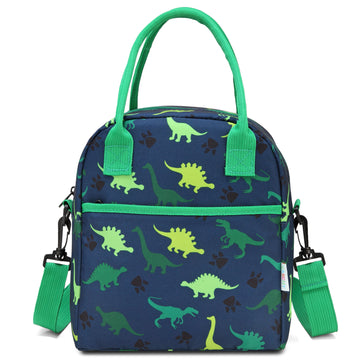
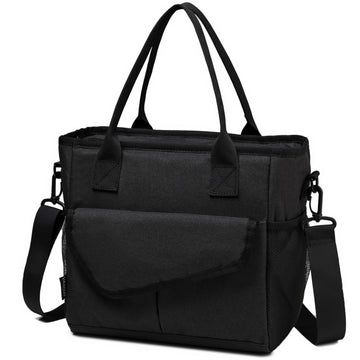
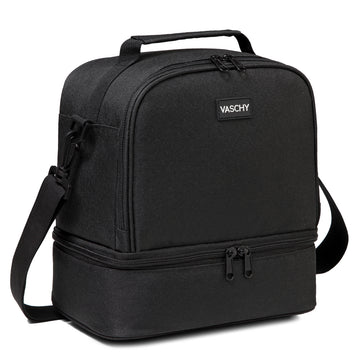
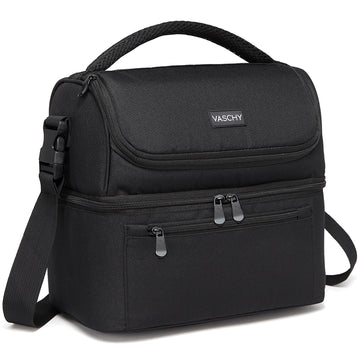
Images are from the official Vaschy UltraLight Backpack product gallery. Product photos show the listed design and example contents; they do not verify fit for your particular school kit.


