How to Choose a Bag for Sketching in an Art Museum
Start with the gallery’s rules and the size of the sketchbook you’ll open most. Compare two bag formats and practice keeping one hand free.

Choose a bag for sketching in an art museum by starting with the museum’s rules and your sketchbook’s outside dimensions. A small messenger suits an outing with a pocket sketchbook and a few pencils. A structured tote is worth trying if you can bring a larger pad and want it to slide out without bending. Check the rules for each exhibition you plan to enter. Start the packing trial with the room that allows the fewest supplies.
Find out what can enter the room you want to draw in
The Met’s visitor guidelines permit pencil sketching and describe rules for small backpacks. The Montreal Museum of Fine Arts visitor guide is another place to see how a museum can set its own conditions. Read the official visitor page and any exhibition-specific information. Ask what drawing materials, pad sizes and bags are allowed, and where you’re allowed to pause. Leave equipment out when it has no permitted place on the route.
Make a short list of what can stay with you in the galleries. If the museum has a separate location for storing bigger items, check whether it accepts your belongings, when you can collect them and whether you can access anything during the visit. Treat supplies for travel as a different load from what you need to draw. A bag that works nicely for a walk across town may leave you with too much to carry by hand in the gallery.
Prepare one drawing setup you can hold standing up
Choose the pad you’re most likely to use and open it to a page you can find easily. Include the cover, spiral or binding when you measure the outside. A board or rigid backing adds its own footprint if you have permission to bring one. Hold the sketchbook in one hand with a pencil in the other. If that already feels awkward, check whether the book opens more easily in another orientation or whether a smaller pad would suit this visit.
Keep the pencil you’ll use first in one pouch you can locate by touch, even after moving to another room. Try a thin pouch that closes securely so you can return the pencil without removing other supplies. Keep your phone or admission pass somewhere you can reach while the sketchbook is still packed. If a bulky glasses case competes with the same space, move it before selecting another bag. Small objects tend to slip behind the stiffest item when the bag tilts.
Try the standing-to-sketch handoff at home
- Load the bag with the pad, your pencil kit and the everyday items you’ll bring. Close it before you start.
- Stand beside a chair that represents another visitor’s space. Move the bag into its allowed carry position. Slide out the sketchbook while keeping the bag stable.
- Open the pad, find the pencil and make a few marks. Return the pencil to its pouch and close it before putting the pad back.
- Take a few steps and stop again. See whether the zipper or handles stayed where you expected and whether the book comes out the same way on the second try.
If you can take the pad out only after opening the bag on a wide table, you may have the wrong size for a standing routine. See whether rotating the pad or adjusting the other items helps. If the open sketchbook waves into neighboring space, plan a smaller drawing or ask about a suitable designated place to sketch. Follow staff guidance on where to stand and keep clear of other visitors and the works.
Do a second run for a special exhibition
Imagine the regular collection allows the compact kit you’ve practiced with, but the first room on your route has different instructions. Find the exhibition conditions before you try to solve the problem with a different bag. A larger tote changes how you carry your things. Permission determines what can go into the room in the first place. If the stricter gallery allows only a few items, build your carry around those or plan where the rest can go as the venue directs. Include any access needs when you ask staff about the plan.
Run two versions with the same book. In the first, carry the bag by hand with the book inside. Stop, put the bag where it can stay beside you as directed and take the book out. In the second, wear it using the carry method the museum allows. Bring the opening into reach before you draw. A book that clears the bag only when you pull it sideways may be awkward in both versions. Try a slimmer pouch or move your everyday items away from the mouth of the bag. If none of those changes gives you room to open it, test a different size of sketchbook for this trip.
Watch the book’s corners during the return move
The last two inches of the move can be the hardest part. Try slipping the sketchbook back in with the pencil pouch already zipped and your phone in place. A spiral binding may clear the opening on the way out and snag the edge when you put it back. A slightly raised flap can hide the opening while you’re standing. Make the same move from your natural side and then try it from the other side if you sometimes carry the bag that way. You want to end with the book closed and the bag ready to carry again.
If you share a kit with another person, give each of you one job for the move between rooms. One person can close the pad while the other puts the pencil away and checks the route. If you’re sketching with a child, use the actual small pad and pencil they’re allowed to bring, then ask them to show you where those items go. Keep the rest of the adult’s load easy to manage until everyone is ready to move.
A useful gallery session can be short. Pack for one drawing stop and one more if there’s room. If you’ve put in supplies for several different techniques, ask which one you’ll actually use in the rooms where sketching is allowed. Keep that kit simple enough to close in one place. You can finish a sketch later without carrying all the tools that might be useful at home.
Before buying online, ask about the usable opening at the top and any lip, zipper or trim the book would have to clear. The comparison works with a photograph and a paper template as a first pass, then a real sketchbook if you can try the bag. Choose the bag that returns to a comfortable carry as easily as it opens.
Compare a compact messenger and a structured tote
For a pocket sketchbook and a short visit
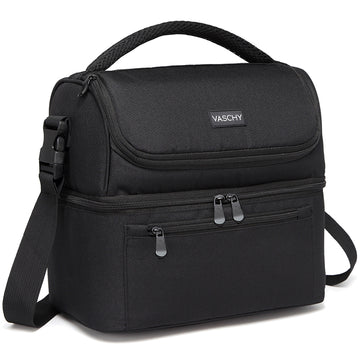
The VASCHY Classic Lightweight Messenger Bag is listed at 5.4 L with a front flap, zippered closure and interior organization. Try it for a small sketchbook, pencil pouch and the few personal items you need. Check the corner that clears the opening last. A sketchbook that would fit inside by volume can still catch if it has to enter at an odd angle.
With the bag at your side, practice bringing it where you are permitted to open it. Try moving the flap clear without trapping it beneath the sketchbook. Assign one regular place to your admission pass and another to the pencil pouch. This format is most useful when the pad and case stay compact enough that you can close the zipper while standing.
Shop the Vaschy Classic Lightweight Messenger Bag in Gray for a small gallery kit if the venue permits it.

For a larger pad that needs a straighter opening
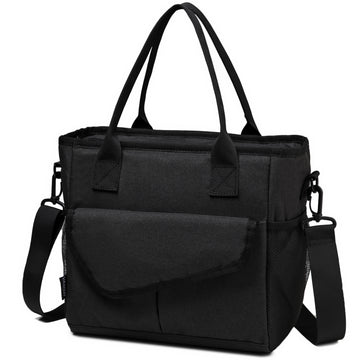
The VASCHY Canvas Tote Bag for Women is listed at 16.2 L and has a structured shape, carry handles and a detachable shoulder strap. Try it if your museum allows the format and your chosen sketchbook benefits from a more direct path out of the top. Measure the pad with its own cover and run the test while a layer is packed beside it. Check whether you can hold the tote steady with one hand as the book comes out.
Use the handles in the rehearsal if that is how you’ll need to carry it inside. Remove or arrange the strap only as intended for the bag. A tote can fit more things than you ought to bring into a gallery. Use the extra space for the specific pad or layer you came with and leave room for the book to go back in without catching.
Shop the Vaschy Canvas Tote Bag in Denim Blue if a larger sketchbook is the reason you want a structured bag.


Pack down before moving to the next room
Close the sketchbook and put away every pencil before you walk on. Take a look around the spot where you worked so you don’t leave an eraser or pouch behind. If a short sketch still needs finishing, mark the page and choose a place where you can return to it later. At the end of the visit, keep loose papers away from any drink you brought for the trip home.
Questions about sketching bags
Is a small bag always allowed?
Check the current rules for your museum and exhibition. Ask about the loaded size and intended carry position. Make a plan for anything you can’t take in.
Should I choose the bag or the sketchbook first?
If you already know which book you’ll use, measure it first. If your bag is settled, try the book you own and decide whether a smaller one would make the outing simpler.
Choose a bag you can close while standing
For a small sketch kit, shop the Vaschy Classic Lightweight Messenger Bag. When a larger permitted pad drives the purchase, shop the Vaschy Canvas Tote Bag and try putting the book away without setting the bag on a table.


