How to Choose a Teacher Tote for a Laptop, Lunch and Grading
Compare two Vaschy work bags using a real teaching day, from setting the bag down at your desk to bringing an approved stack home.
A teacher tote needs to hold a laptop, a lunch container and the papers you actually move between school and home. Test it with your regular load and a heavier grading-day load. If your laptop and papers slide in flat, your lunch stays upright and you can reach your keys with the bag beside your desk, you are close to the right shape.
Start with the trip you made last Thursday. A laptop in a padded case, a stack of writing samples and a wide lunch container can fill a tote in three different directions. Set those items out before you browse.
Lay out two real teaching days before you shop
We Are Teachers’ guide to teacher bags features different formats teachers use, including backpacks, totes and laptop bags. Those options make sense because teaching loads vary. A teacher who walks from classroom to classroom can value a shoulder strap more than someone who sets the tote next to the same desk every morning. Use your own calendar to narrow the list.
Your usual load
Lay out your laptop in its case, charger, lunch container, bottle and one slim folder with the papers you normally carry. Add the small items you reach for at the school entrance. Measure the outside of the laptop case and folder, including zipper pulls and corners. Measure the base of the lunch container and its height with the lid locked. A tote may look wide from the front and have a shallow base that leaves the lunch balanced on its edge.
Your grading-day load
Add a normal stack of assignments you are authorized to bring home, in its folder or document carrier. If you teach several groups, put the stack for each group in a separate folder and see how much space the full set takes. Think about the stack you carry back after grading, too. Stacks may get thicker after you add feedback sheets. Follow your school’s rules for taking, storing and returning student work.
Count how often you carry the extra folders. A tote you can manage every day with room for one more folder may suit you better than a larger bag chosen for one peak week. If the peak stack goes home frequently, test the bag for that heavier day first.
Give each part of the load an opening and a place to land
- Laptop and folder. Try the rigid items first. Place the laptop in a suitable sleeve or compartment and keep the papers in their own folder. Check whether you can remove either item without tipping the lunch.
- Lunch. Stand your closed container on the base. See whether the bag stays upright when you set it down and when you take your laptop out. If the container presses against papers, try a slimmer lunch carrier or carry it separately.
- Keys and ID. Put them where you can reach them with the bag on your shoulder or set beside you. Rehearse getting in the building with one hand occupied.
- Charger and small items. Keep loose cords together so they cannot catch a paper corner on the way out. If you store a spare charger at work with permission, you may be able to shop for a simpler tote.
Try that routine on the chair or floor space you actually have near your desk. A tall bag can open nicely on a counter and be fiddly when the zipper is down by your ankle. A wide bag can be useful for papers and awkward in a narrow staff cubby. If you travel between schools, also practice loading and unloading without taking over the passenger seat.
Do the desk test from both ends of the day
For the morning trial, put the bag where you’ll set it down and unpack in the order you work. If you need the charger before lunch can come out, check that the cord pouch is reachable. Slide the laptop out with the bag’s base still flat. Keep the strap clear of the opening. The trial will tell you whether an extra pocket is useful or whether you just need a clearer route into the bag.
For the afternoon trial, reverse the handoff. Pack the laptop and the folder you need first at home. Add the empty lunch container with its lid closed. If feedback sheets come back in a separate folder, see whether both folders stay flat when the bag is lifted by the strap. A stiffer document carrier can help a thin stack keep its shape, though it takes up more room than the papers alone.
Where will you set the bag during a meeting or duty shift? If it normally stays in a shared space, use your school’s storage process and keep materials that require restricted access in the approved place. Choose pockets for how easily you can reach your own belongings. A pocket or a zipper does not set the rules for handling school materials.
Two Vaschy work bags for different teaching loads
Canvas Tote Bag for Women for a lean everyday kit
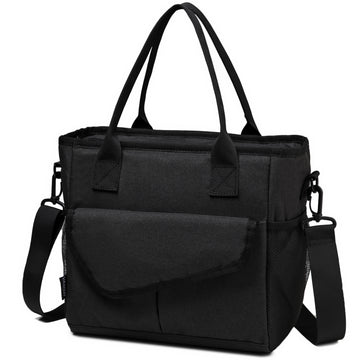
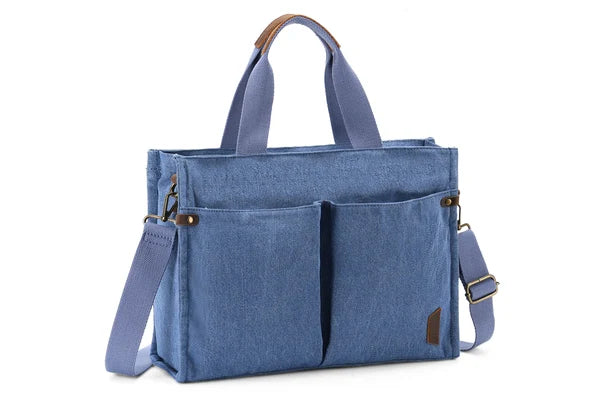
The Vaschy Canvas Tote Bag for Women has a structured shape, a detachable shoulder strap and a listed 16.2 L capacity. It is the one to consider if your paperwork stays slim and you want a bag that works for school and errands. The brand lists an exterior depth of 12 cm, about 4.7 inches. Treat that as an initial comparison point and leave room for the actual lunch container, laptop case and any taper at the opening. Shop the Canvas Tote Bag in Denim Blue.

Classic Womens Laptop Messenger Bag for a fuller grading day
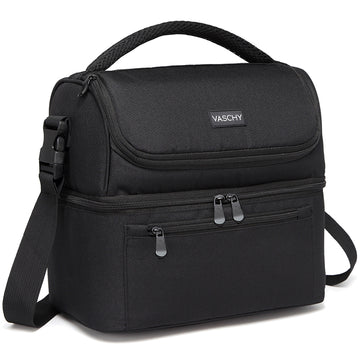
The Vaschy Classic Womens Laptop Messenger Bag is listed at 22.12 L and has a dedicated laptop compartment. Start here if you regularly want a place for the device plus additional room for folders and lunch. The product listing gives the compartment measurements as 39 × 4 × 24.5 cm, approximately 15.35 × 1.57 × 9.65 inches. Compare those with the full outer size of the laptop or case you plan to put there, then check the entry and allow room to slide it in. Shop the Classic Womens Laptop Messenger Bag in Black.

For a compact load, the Canvas Tote’s structured profile and detachable strap are the reasons to try it. For a bulkier stack that still needs a separate device space, start with the messenger. Bag capacity says how much space is listed overall. A usable base and a clear route past the zipper are what keep the lunch upright and the folder corners straight.

Decide how you will handle overflow
Suppose you bring a laptop and one slim folder most days, but have three thick sets of work every other Friday. Try the smaller load in a tote you already own and count the extra handoffs on the heavier day. If a second carrier means juggling papers every morning, the larger work bag earns its space. If overflow happens occasionally and you already have an appropriate way to carry it, choose for the daily walk.
Before deciding, hold the loaded bag by the top handles, then try the shoulder strap if you plan to use it. Run through the doorway and desk routine once. A look you like matters because you will carry this bag a lot. The bag still needs to work when your hands are full and you are halfway down a busy hallway.
Which Vaschy bag fits your normal stack?
What if my laptop fits but the lunch container does not?
Test a narrower lunch container upright first. If that would mean changing what you eat most days, compare a deeper work bag or carry lunch separately. Check that you can still get through the building entrance and open your classroom door with the resulting load.
For a slim folder and a carefully measured lunch container, shop the Vaschy Canvas Tote Bag. For more regular grading and a dedicated device compartment, shop the Vaschy Classic Womens Laptop Messenger Bag. Check the exact laptop case, folder and lunch container together before choosing.


