What to Bring to an On-Campus Job Interview
Bring a realistic availability sheet, a few examples and the materials requested for your campus job interview.
For an on-campus job interview, bring the invitation, the materials it requests and an availability sheet that reflects your actual classes and travel time. Prepare a couple of examples tied to the work in the posting. If you are going straight from class, put the interview material where you can get it without unloading your school bag.
If the job starts at 2:00 p.m. and your class ends at 2:00 across campus, work out a realistic start time before the interview. Bring the version of your schedule you can actually offer.
Turn your class calendar into a realistic availability sheet
Open your current schedule and note fixed commitments such as labs, class meetings and appointments. Use the time you can actually reach the workplace. A class ending at 2:00 p.m. across campus may not make you available at 2:00 p.m. in the library. Check the route before offering a start time. Mark what is fixed and what you can discuss if the interviewer asks about a different day.
Boston University’s Student Employment Office lists a résumé or skills summary and a class schedule or availability as helpful materials for job hunting. Use a short version of that schedule in an interview. It should show the hours you can offer and any known constraint, while leaving unrelated personal details off the page. Boston University student employment guidance
Imagine the posting asks for one evening shift and a Saturday rotation. Write the evenings you can reliably cover and ask how far in advance Saturday shifts are set. If a particular week has a known change, mention the date if it affects the job. You can ask how the office handles exam weeks instead of offering a promise that depends on a schedule you have not seen.

Bring examples that fit this job
Pick two duties in the posting and find a real example for each. For a library desk job, you might describe how you helped someone find the right resource. For a lab office role, you might explain how you kept a record organized or spotted a mismatch. Examples can come from a course, volunteer shift or prior job. Keep the situation brief, explain your own action and say what happened.
UVic’s career guide discusses preparing examples and checking the interview format. York University suggests bringing note-taking supplies and résumé copies when useful. Combine those ideas around this job. Put the examples on a small practice note, and bring printed copies or a portfolio only when the invitation asks for them or you expect a practical reason to refer to them. UVic interview preparation · York University interview guide
Also bring one question that will help you decide whether the job fits. You could ask what a new student worker learns in the first two shifts or how the supervisor handles coverage when class schedules change. Circle one line in the posting you want to understand better and turn it into a question you can ask out loud.
Pack the interview materials separately from class gear
Save the room number, time and interviewer’s name somewhere you can open while walking. If it is a virtual interview, use the link and check the directions in advance. If they ask for an example of work, have the relevant page ready. Keep any private information from other people out of your examples and use the employer’s approved sharing route if a document needs to be sent.
Place the availability sheet and requested papers in a thin folder you can reach while the rest of the bag stays packed. Try getting the folder out with the bag on the floor and next to a chair. You may have a short wait before the meeting, and that is a good time to find your pen and check the schedule. Keep onboarding paperwork separate. If the employer needs any sensitive document later, follow its official process.

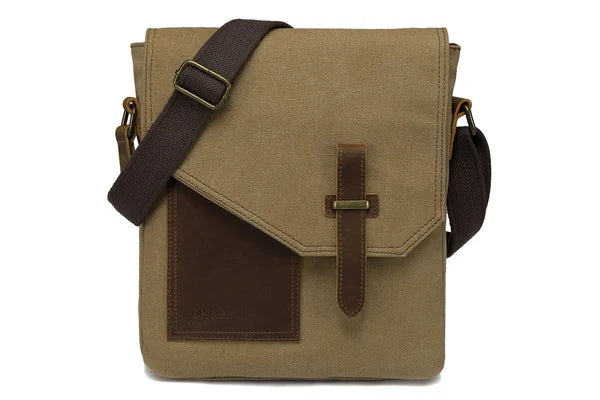
If you want a separate carry bag for interviews and short errands, compare your folder and notepad with the opening of the Small Canvas Messenger Bag. The listing’s photos can help you see the shape. Use your actual items to judge the fit. Shop the Khaki VASCHY Small Canvas Messenger Bag.
Practice the move from class to the interview
Try the route once with your class bag packed. Decide how long it takes to put the folder back, cross campus and find the office. If the invitation asks you to sign in at a different desk, include that stop. A buffer you can actually use is more helpful than an optimistic promise to arrive immediately after a lecture.
For a virtual meeting between classes, reserve a place where you can speak. Have the posting and availability open in separate windows or on paper. Before sharing your screen, close other people’s information and unrelated documents. Keep one copy of the interviewer’s instructions available if the meeting link fails.
Use the last question to confirm the handoff
Check whether the availability you discussed matches what the supervisor needs. Ask about the next step and the time frame they expect. When you step out, note anything you promised to send or any shift question that remains open. Dartmouth’s Student Employment Office offers student interview guidance, and UBC’s career resources cover preparing and following up. Use the channel the interviewer gives you. Dartmouth student interview guidance · UBC career interview resources
Keep your interview notes and availability together until the schedule is settled. If you interview with more than one campus department, make one page for each job so the conditions do not get mixed. Keep using the bag you have if it works for the papers and the trip.

If you are replacing a bag for short campus appointments, check the opening with your actual folder and usual items. Shop the Khaki Small Canvas Messenger Bag for your campus routine.


