How to Choose a Bag for Paint Samples and Swatches
Keep room labels with the right swatches and choose a bag around the biggest flat sample you will carry. Plan a separate upright carry for wet or bulky materials.
Start with the biggest flat paint sample you expect to bring home. A few labeled chips can ride in a small sleeve. A stiff backer, a larger color sheet and an upholstery swatch need an opening that lets the stack stay flat. If you buy liquid samples, carry them upright in the packaging the retailer recommends, separate from the the sample folder.
Pack the comparison you need at the counter
Write the room or surface at the top of a small page. Under it, list two or three colors you want to see and describe what needs to sit beside them at home. An existing sample of upholstery, cabinet trim or floor tile can help identify the job. Bring something from that group only if it improves the choice and is practical to carry. For a heavy piece, take measurements or notes and ask whether the store has an equivalent sample. If a photograph is useful for context, remember that it records one light condition and display.
Assign each room its own envelope, folded sheet or divider. A small address label or a strip of tape on the folder works. Keep names and codes visible enough to read at the counter. Imagine you finish at one store and then go to another. Label the display chip before it goes in the bag, while the reason you pulled it is still fresh. If you wait to sort everything at home, similar neutrals can turn into a stack of nearly identical cards with no short list.
Benjamin Moore’s guide to using paint color samples differentiates chips, liquid samples and larger peel-and-stick sheets. It also suggests observing color in different lighting. The Canadian version of the guide covers the same sampling decision. Confirm which format your retailer currently offers and how you’ll use it. The way it will move from counter to room should inform how you carry it.
Leave a place for the second round of samples
Reserve one divider for items you want to compare in the same spot. Leave extra room for a second set chosen after seeing the first group in your own space. For a quick comparison, label a page with “morning,” “afternoon” and “under the lamp” as places to keep observations. You can use a phone note for the same purpose. The bag’s job ends when the right color makes it to the right room, so choose a format that makes that handoff easy.
Make a flat stack that clears the opening
Use the backer or folder you already own. Put your largest expected sheet inside and measure the whole package, including the fold and the tab you need to grab. If you’re going for newer sheets and only know the quoted dimensions, use ordinary cardboard to mock up the outside. Leave enough edge to hold the package without pressing hard on the sample. A case for a few chips can sit at the top rather than take up the entire width of the bag.
Open the bag and insert the package with the date labels facing you. Try the direction you expect to use while standing. A rectangular bag can have a pinched opening near the zipper ends or under a folded flap. If the corners have to bow to pass the opening, a flat sample could leave the shop bent even though the interior dimensions seem generous. Find a second orientation and close the bag without pulling across the corners.
Pack the everyday basics back in around that stack. Walk a short distance and set the bag beside a chair. See if the sample holder remains flat and if you can remove it without lifting a loose charger or a measuring tape. If you bring a hard swatch, decide whether it should have its own padded or separated container. An edge can leave an impression on a soft card if both are pressed together. When a rigid piece is wide or heavy, ask the retailer how it should be carried before choosing any everyday bag.
Give liquid samples a separate trip home
Ask the shop to package the size and quantity you actually purchased for transport. Follow directions on the label and from the retailer. Keep sealed pots upright in the packaging recommended by the seller and away from papers and belongings. A higher-capacity tote adds room. It cannot certify the lid, stop a leak or make a flexible bag a stable container. If you have an open pot or a board with wet paint, ask the retailer about arrangements or let the board dry as directed before you carry it.
When two hands are needed, decide how the paper bag will stay with you. A shoulder strap can keep your working hand free. Try a bag you already have and an empty box of similar outside size to the retailer package. Walk, set down the box and reach the paper folder without putting the sample box on the bag. If the box is unwieldy, plan a separate carry to the car or ask whether pickup can be staged. Keep the shopping bag choice focused on the flat samples.
Rehearse the switch from browsing to checkout
Imagine you arrive with one envelope of kitchen notes and leave with two larger swatches and a small store package. Try the return load with a clean folder and an empty box. Put the folder away first, pick up the box, and practice finding the item you need at checkout. If you have to rest the box directly on the swatches to get your wallet, move the wallet to something you can reach while holding the package.
Try the walk from a counter to a door. With a tote, find out whether your preferred carry position pulls the opening tight across the sheet. With a messenger, see if the bag rotates when you bend to set the extra package down. A tightly filled bag can make this small move awkward. If both choices work with the original folder but only one allows a second batch to slide in flat, pick for the kind of return trip you expect to make.
Unload by room, not by the order you shopped
Take the sample holder out while it is still closed. Put it on a clean surface and place the matching room notes next to it. Keep containers in a different position from your layout. Leave the full-size name and reference visible on each piece when making comparisons. Returning the materials to labeled slots after each check makes a second shopping trip easier. You can take just two finalists without trying to remember which chip came from which visit.
Choose between an upright tote and a flap messenger
Try a structured tote for quick access to upright swatches
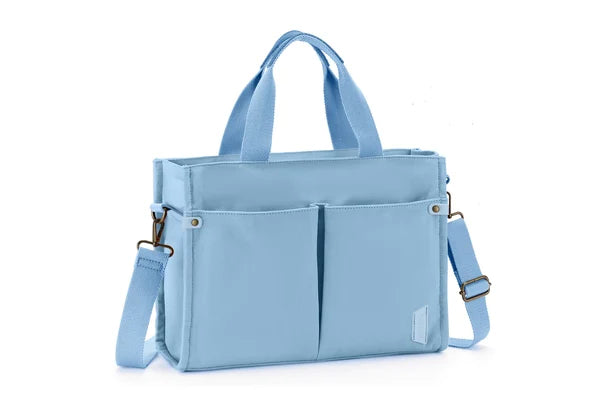
The Vaschy Canvas Tote Bag for Women is listed at 16.2 liters. Its structured design and detachable shoulder strap make it a candidate when your folder goes in upright and you want to pull it out at the counter. With your cardboard mock-up in place, test whether the tote stands well enough for your use with the little items in their normal spots. Your own contents and the surface matter.
Shop the Vaschy Canvas Tote Bag in Sky Blue if you want a quick top reach and the option of a detachable strap. Test the biggest flat piece with your other items before deciding, especially if you carry a large backing sheet. Keeping that sheet visible at the opening can save you from missing a corner when you put it away.

Try a messenger for a horizontal folder and a hands-free walk
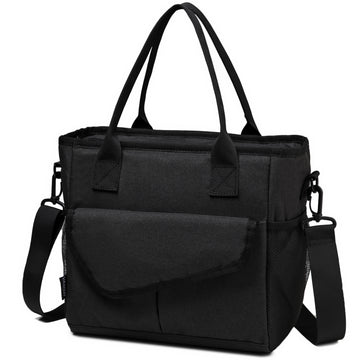
Vaschy lists the Large Canvas Messenger Bag at 18 liters and describes a large front flap pocket with two buckles. Consider that shape when you want the folder resting horizontally and the bag across your body while you carry a different package. Put your template in, close the bag and try taking the holder out from the position you’ll actually wear it. Confirm the structure with your own load. The outside profile is a starting point for fit.
Shop the Vaschy Large Canvas Messenger Bag in Beige if a crossbody carry and covered front pocket match the way you visit a store. A flatter folder arrangement can be useful if you normally rest the bag on a counter. Move the smaller items to their own pocket when possible so the front flap opens without stirring the main stack.


Decide which samples will travel on your next visit
Can I take a few paint chips in my everyday purse?
Try the purse with your labeled envelope and a stiff backing if the chips need it. Pick up the bag by its normal strap and open it once more. If the envelope keeps folding around your wallet, add a slim protector or try another bag. For a handful of clearly labeled cards, the smallest format you can open easily may be enough.
Does a bigger tote keep sample jars upright by itself?
A bag’s capacity doesn’t tell you whether a container will stay upright or hold a spill. Use the packaging and handling instructions from your retailer. Keep the paper sample kit in its own place and reserve a separate carry when the size, shape or weight makes it difficult to manage the containers as directed.
Buy for the largest flat sample, then give liquids their own plan
Decide whether you prefer the quick drop-in of a tote or wearing a messenger across your body when you need a free hand. Bring a test folder to compare the opening when you can. Shop the Vaschy Canvas Tote Bag for upright samples and quick counter access, or shop the Vaschy Large Canvas Messenger Bag to try a horizontal folder with a crossbody carry.


