How to Choose a Tote for Returning Online Purchases
Sort returns by drop-off method and test the biggest packed parcel before choosing a structured tote or a hands-free backpack.

Read the return confirmation before you reach for a tote. The best bag lets you grab the largest prepared parcel at its stop and show the right authorization. A structured tote can make counter handoffs easier. Try a backpack if the parcels are compact, sit securely and will travel farther on foot.
Read the instructions for each order separately
Start by opening each confirmation. Note the retailer, destination, deadline and required packaging. Check whether you need a printed label, a return code, the original product packaging or a shipping box. Include any pieces the seller’s instructions say to return. If one store uses different return methods for different products, make separate notes. Decide what to carry only after you know the shape of the finished items.
Canada Post’s online returns guide describes several paths, including label printing and qualifying box-free options. UPS’s Happy Returns page describes box-free returns for participating merchants and locations. Follow the authorization for your purchase, including the precise drop-off point and package instructions. A code that starts one return does not necessarily tell you what to do with another order.
Write a list of the stops in the order you expect to make them. You might need to visit a register, a shipping counter or a drop-off point that handles a specific program. Ask the retailer before combining items in one box if the instructions don’t say you may do so. If there’s a different process for an oversized parcel, confirm it separately so you can decide which items belong in the carry bag.
Keep each authorization paired with one item
On your own instruction sheet or phone, give each handoff a plain name, such as “blue sweater first” or “two chargers at the post office.” Keep printed instructions paired with their package as directed. If codes live on a phone, check which code belongs to which item before you pack. Avoid placing labels over other paperwork or choosing based on which code looks familiar. The point is to leave as little matching work as possible for the counter.
Measure the package after it is ready to travel
Set the biggest packed item on a table and measure its outside shape. A shopping tote that holds the purchased product in its original wrap may not take it once the parcel has a box around it. Look for tape or corners that catch on a zipper or bag opening. If you’ll bring a second order, position it next to the first in the orientation you expect to carry. Don’t rely on the total capacity of the bag without checking the opening.
A padded mailer can be flexible or quite rigid depending on what is inside. Check whether it can sit flat or stand on its edge as the seller’s packaging allows. If standing it up makes a corner poke into the opening, try a more direct carry. Decide what happens if you have to set the bag down to retrieve the phone or a receipt. A parcel with a thin retail package may need more room than a similarly sized soft item.
Try the return trip with the bag half empty
Pack the full load and remove the first stop’s parcel. Carry the remaining items again. Notice whether they now slide into the bottom or tip sideways. Move a second small package to a stable spot when there is more space. A fabric divider or an ordinary pouch can help group related things, provided it leaves the parcel easy to reach. Make sure you do not have to repack loose receipts around a moving box at every stop.
Practice the handoff on your kitchen counter
Put the bag beside a clear surface about the height of a counter. Reach for the first item and put it on the surface. Then show or find the authorization you would use for that item. Try doing the steps with the next package still in place. If you have to set everything out to get the first return, change the loading order. For a series of stops, one item per working layer is often easier to follow than grouping by size alone.
Try the same run with your coat on. A comfortable tote with short handles can be easy to lift clear of a chair, while a shoulder strap can leave a hand free when you lift out a box. A backpack may be the more convenient option for a longer walk with no good place to rest a bag. The test is whether your phone, return items and empty space still work together when you reach the destination.
Find a place for any paper or other receipt you receive. You may be given a digital confirmation, but save the form the retailer or carrier provides until you know the return is complete. Keep it apart from the documents for the next stop. If you plan to buy something on the way home, leave an empty part of the bag for that new load rather than moving it into the outgoing return group.
Run a two-stop practice with one of each kind
Imagine the first stop accepts a small return in its original product packaging and the second needs a labeled shipping carton. Put the carton in first if it’s the bigger piece. Keep the smaller item accessible with its own confirmation. Walk to the first station in your house, take out the small return and verify that the matching code or instructions come to hand. Then lift the same bag again with only the carton inside. If it settles into the phone pocket’s path, move it and make sure you can carry it in the position the seller asked for.
Switch the route and repeat. When the first stop takes the large carton, make sure you can lift it out without bringing the smaller boxed item along. Think about where the bag can rest while you unfold a receipt or wait for a scan. The tote may make a wide box easier to see. The backpack may carry the same load more conveniently between stops if all the edges have a secure resting position.
If a package is awkward in both, use the carrier’s allowed alternative or make an independent trip with that one. For a route on transit, check you can put the bag back on while holding its return slip, without resting a parcel against someone else’s things. Test with your keys in the same pocket you use on the way home. The bag should still be easy to handle once only an ordinary set of personal items remains.
Compare the two bag formats with your biggest ready parcel
A structured canvas tote for fast lifting at a counter
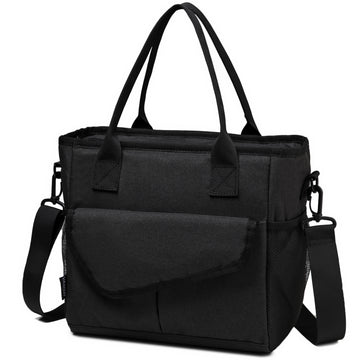
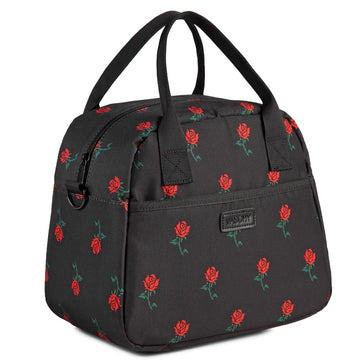
The Vaschy Canvas Tote Bag for Women is listed at 16.2 liters and has a structured shape and detachable shoulder strap. It is worth trying when your biggest parcel can be lifted straight out from above. Test it with each ready return and a place for your receipts. If a box is wide enough to rub the opening, use a different bag or carry the package directly. A tote’s shape can help you see the load but does not establish that a specific parcel fits.
Shop the Vaschy Canvas Tote Bag in Apricot if the prepared returns fit upright or flat and the top gives you a clean grab at a counter. Take out the first parcel while the other one stays put. If that works without moving your phone, the layout is worth repeating for an ordinary shopping day.

A backpack for compact packages on a longer walk
Vaschy lists the UltraLight Backpack at 20 liters. Its main zip compartment includes a file divider, and it has an exterior front zipper pocket. Compare this shape when the load consists of smaller parcels and you’d like the weight to ride on two straps. Test the hard corners with the backpack fully closed. Leave the divider or a separate slim holder for paperwork that needs to stay flat, rather than pushing a box through the divider.
Shop the Vaschy UltraLight Backpack in Almond Beige for a two-strap carry when the actual packed parcel fits the opening and rests away from your back. Test the bag’s remaining volume after the first drop-off. Look for the placement that lets you get a smaller second package without turning the backpack upside down.


Solve the awkward returns first
Can one bag handle a whole batch of online returns?
Compare your bag with the packed version of every item, in route order. For a large box and a small box-free item, carrying them separately may be easier and keeps the small return easy to find. If you use a reusable tote for several stops, reserve space for whichever package has to travel in the position the seller asks for. Check how the bag closes after you add the other packages.
Should I remove packaging to fit a tote?
Use the merchant’s method. If it requires intact retail packaging, a label or a shipping carton, keep that packaging in the plan. If the approved method is more compact, you can test a smaller tote. Choose a bag around the approved return method.
Choose the bag that leaves your hands clear at the next stop
Put the largest allowed package in first and see whether you can reach what you need for the handoff without unloading everything. Shop the Vaschy Canvas Tote Bag for a structured top opening when you’ll lift a parcel at the counter, or shop the Vaschy UltraLight Backpack for a longer walk with compact packages that sit securely.


