Choosing a Bag for a Bike-to-Train Transfer
Plan where your personal bag goes when you roll, park or hand off a bike on a train trip.
Choose your bike-to-train bag for the stop where you’ll have to manage the bicycle and your belongings separately. Check the operator’s rules for the exact train. Put tickets and other things you need during boarding in a place you can reach after the bags come off the bike. A compact messenger can work for that small personal kit. Consider a backpack if the load you’ll carry away from the bicycle includes a layer, a larger pouch or other everyday gear.
These are everyday personal bags. Plan separately for any bicycle carrier or pannier your trip calls for. The important test is how you move between those pieces once you’re at the station.
Check the bicycle service before packing
Look up the operator, train and day rather than relying on the word “bike” on a general route page. Amtrak’s onboard bicycle guide distinguishes service options. The Amtrak bike FAQ says to remove and consolidate attached panniers, baskets and bags before boarding with Carry-On bicycle service. Those instructions apply to that service. Read your own operator’s exact directions before deciding what stays attached and what you will carry yourself.
In Canada, GO Transit’s bicycle policy describes conditions for its services. Read the page for your specific direction and time, and check station notices as well. A plan that works for a weekend train can have different requirements on a weekday trip. Confirm whether you need to reserve bicycle space, where the bicycle goes, and which doors or places staff want you to use. Have an alternate plan if the exact service doesn’t take your bike.
Work out when the bag transfer will happen. If the operator asks you to detach equipment before boarding, leave yourself room and time to do it in a permitted place. If you’ll be keeping the bike with you, follow the operator’s storage and access rules and decide which personal items you need from the moment you get on. Either way, make it possible to handle the bicycle while the things that come with you stay contained.
Move the essentials before you reach the platform
Begin with the things you need for the next steps. The ticket, phone, keys and any item you need at the next station should have a predictable place. If you normally carry them in an attached bag, test whether you can move them to a small pouch while standing beside the stopped bicycle. Use that pouch again for the ride so you aren’t dividing the same four things among several pockets.
Try this at home with the actual bag attached the way you normally use it. Stop, put the bike in a stable position and follow the bike and bag instructions for detaching anything. Then put the personal kit where you can reach it without opening the bigger bag. Finally, pick up what has to travel with you. If the larger bags are awkward to hold together, look for a permitted arrangement that leaves your hands available when needed. Check the train’s personal baggage limits for that arrangement.
Keep track of straps after detaching. A long strap that hangs down on the walk can catch while you’re moving near the bike or other people. Secure or pack loose pieces using the bag’s intended hardware and follow the operator’s handling instructions. Test the load on foot where you can stop and adjust. Use a stable, appropriate carry setup for any cycling segment and put away the phone until you’re stopped.
Test the route with your hands occupied
Imagine a rider who leaves home with lunch and a layer in an approved bike bag. Once they reach the station, they keep a closed pouch with the ticket and keys where it can be reached. At a seat, they can put the permitted larger items away without losing the ability to get to that pouch. Try the load both at the station and beside a seat.
If you change trains, check which items need to be reachable again during the transfer. You might have to collect the bicycle or use a different storage arrangement. A bag with the ticket at the bottom may work at home and be frustrating during the second transfer. Place the items you need first in a position you can get to when you’re standing still without having to lift out the main load.
Check whether you can take off and put on a layer without leaving the other pieces loose. Put your jacket in the position it will occupy on the train and then try getting to your phone. Check the same reach with the bag on your back or beside you at a seat. When the bag is full, a pocket can be harder to open, and a strap might be harder to adjust in a narrow space. Fix the order at home while it’s easy to rearrange.
Choose a place for the hardware that travels with the bag
A detached bag can leave a clip, strap or other part where you didn’t expect it. Check the manufacturer’s instructions and decide which pieces stay attached to the bag and which need to be put away. Follow the operator’s instructions about loose equipment as well. A small closed pouch can give your own loose parts one place. Before repacking the bicycle, find that pouch without taking every other item out at the station.
Set up a full practice transfer without a train involved. Take the bag off your parked bike and move it to the place you’d hold it when walking. With the larger bag set where it is allowed to be, find the ticket and close the pocket. Then sit with the packed bag beside you and try getting the ticket back out. If either reach is awkward, decide whether the small messenger has a useful job or whether a pocket in the backpack solves the same problem. The decision becomes clearer when you test with the exact layer, shoes and other items you use on the trip.
Plan for a delay, a changed seat or a train where you need to ask staff about the storage location. Keep your most important personal items with you within the operator’s rules. A second copy of the route or reservation can help if you can access it in a form the operator accepts. Keep a short reminder of what goes back on the bike at the destination. Write it before you leave so you can follow the same order when you’re in a hurry.
For a day with several stops, decide which things get packed only once. You may be able to leave a layer in your own personal bag for the entire train ride. If you keep moving it between the detached carrier and the backpack, pick one home for it and try the full route again. This is often the difference between needing a larger bag and getting more use out of the one you already have.
Check your backup if the bicycle area is unavailable. Keep the day bag organized for a trip without the bike as well, and use the operator’s instructions to decide what to do with the rest of the load. If you can make the journey without the attached bag, keeping that load smaller can simplify the transfer.
Compare a small messenger with a day backpack
A compact messenger for the station essentials
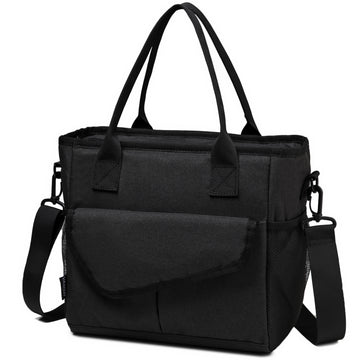
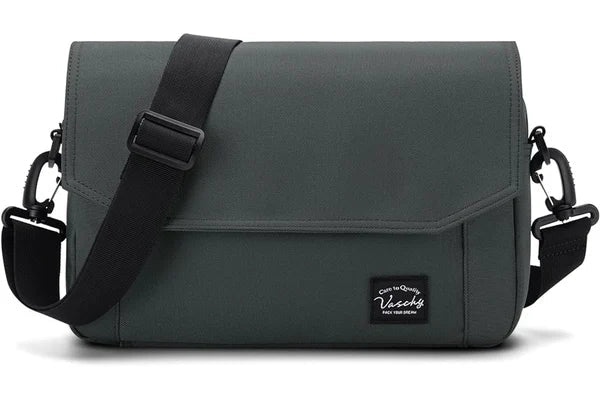
Vaschy lists the Classic Lightweight Messenger Bag at 5.4 L and describes a front flap and zippered closure. Consider it for the ticket phone, keys and other small personal items while the operator-permitted larger load has its own carrier. Try opening and closing it with the jacket you’ll wear on the platform. Shop the Gray Classic Lightweight Messenger Bag if the small kit fits and the closure works with the way you’ll carry it on foot.

Put the phone in its case and then close the bag with the rest of the items in place. If reaching it pulls the other contents toward the opening, choose a dedicated spot you can close again. Keep the messenger with you when the rest of your belongings move out of reach. Before riding again, set up your gear according to its intended use.
A backpack for the larger personal load
The Vaschy UltraLight Backpack is listed at 20 L and has two shoulder straps. Consider it for a personal load that includes an extra layer and everyday items you need once the bike is put away. Rehearse the packed transfer and check whether you can reach your own essentials without opening the whole bag. Shop the Dark Blue UltraLight Backpack if you need both hands for the platform walk and your actual load fits the bag and the operator’s rules.

Put on the backpack with the layer inside, then take it off beside a chair as you would at a seat. Check that it closes in the position you need. Keep the transition clear by putting only the items for that part of the trip near the opening. The largest piece may be a folded outer layer on the home leg even if it was worn when you left.
Pack for the moment you get the bike back
Before the train reaches your stop, put the small items in their regular places and follow staff directions about collecting the bike. Know where you can stop safely and out of the way to put any detached equipment back. Make sure your belongings are accounted for and carried the way the bike, carrier and bags are meant to be used. You don’t want to discover a loose pouch after you’ve packed the larger bags again.

For the quick-access kit on foot, shop the Gray Classic Lightweight Messenger Bag if your larger gear already has an approved place. For a fuller personal load, shop the Dark Blue UltraLight Backpack after rehearsing the packed walk and seat reach. Build the bag choice around the time you’re responsible for both the bicycle and the detached load.


