How to Choose a Bag for a Book Club Meeting
Pack the book you marked up and the notes you actually need. Compare a compact messenger and a tote with enough room for a facilitator’s kit.

Put the book, page flags and notes on the table before choosing a bag for book club. A compact messenger suits a thin reading kit you can lift beside your chair. A structured tote earns its room when you’re leading and need a hardcover plus a folder that comes out on its own. Test the book you will actually bring.
Build the kit from the pages you might open
Bookclubs’ discussion guide discusses taking notes and identifying passages and questions while you read. Start with that work. Pick the few things you want near you during the meeting and see what shape they create together. If you just need a marked book and one question, your bag can be small. If you have prepared questions for a group or bring a printed reading guide, look at the physical footprint of those pages.
Lay out the book with any cover, tabs or separate notes you actually use. Measure the outside as carried. A paperback that fits the bag by itself can become awkward when strips protrude from the edge that crosses the zipper. Keep the flags in a position where they will not be dragged or folded. Try facing the marked edge toward the part of the opening that has the most room. For a broad or stiff book, see whether you can use a simple folder or sleeve to keep the notes with it.
Keep your meeting notes short enough to find a specific thought. A folded sheet inside the book might be enough for a reader. A facilitator may prefer a flat holder with prompts in order. Give the pen a place that can be reached without opening the whole book or setting down your drink. Try writing one short answer or jotting the next meeting date, then put the pen back while the rest remains in order.
Decide which notes stay with the book and which stay with you
If you are returning a borrowed copy, separate your own notes from the pages before putting the book away. Follow the owner’s guidance when you use removable page markers. A card listing page numbers can transfer to another edition while temporary page markers stay with the book only as permitted. Put that card in a place you can reach as soon as the discussion starts.
Try the seated reach with a small table
At home, put the bag in the place you would place it at the meeting. Sit beside a table that gives you little spare room. Open the bag and lift the book. Find the first marked page. If you need the note card, see whether it comes out with the book or from a separate spot. The bag should go back beside your chair after that first movement. If you need both hands to hold an opening while you fish for a paper, move those items before buying a larger bag.
Try the same run with a bigger hardcover or with the item you occasionally carry in addition to the book. A glasses case can change how the book slides past the opening. A drink belongs on a steady surface or wherever the venue directs, away from the pages. Keep enough room in the bag to return the book at the end without exposing the other things you carry in it. ReadingGroupGuides’ book group resources show different meeting formats and planning topics. Ask your own group how it usually runs and what people actually need at the table.
Rehearse finding one passage without spreading out
Pick a passage from your practice book. Put the book, one note and a pen in the positions you proposed. In the seat, find the sentence, follow it with your note and close the book enough to free the table. Where did you need to set the note down? If the answer is “on everything else,” a one-sheet version or a clearer pocket may solve it. For a facilitator carrying several printouts, rehearse handing out the first sheet without pulling the whole folder sideways.
Choose a reader’s kit or a facilitator’s kit
If your edition and notes fit in one small space, check the bag’s reach and closure with any other everyday items. The book should be easy to remove by one edge without compressing the cover. Put a small paper marker in the opening if you want to remember which direction the book faces when you put it away. An uncomplicated carry is handy when you go straight from another stop and have little time to reorganize.
If you are facilitating, put the fullest version of your printouts in a folder and check whether it can stand next to the book. Give the folder a place where it can be removed on its own. Watch whether the book falls flat across it when the bag tips on your way to the table. For a mixed group with people sharing materials, think about taking the notes out in the order you will use them. Set aside a place for the last question or date once the meeting ends.
Try the meeting from two seats
When you are joining the discussion
Imagine you arrive after everyone else has set down their things. Give yourself a free spot on a small table roughly the width of your book. Sit down and take the book out of your bag. Start with one marked passage. Try the same motion with a glasses case in its ordinary place. If the pen or note card falls out with the book, adjust where they sit. If you regularly reach for both glasses and book together, see whether two separate motions are comfortable or a larger opening would make the first reach simpler.
Next, leave the book on the table and remove one thing from a pocket with the bag beside your chair. Prepare for the end of the meeting by putting the book away with its flags still visible. If there is spare space, leave a little gap where the paper markers pass. A compact carry makes sense if the rest of your essentials can stay where you put them. If they crowd the book’s removal path, the trip may be easier with a tote even though the book technically fits the smaller bag.
When you are leading that week
Pack the printed notes for the version of the meeting you actually expect. Imagine several readers need the same page. Rehearse taking out one section while the book and your own notes are still available. If you use a divider, give the finished discussion plan a physical edge to grip. Lay your pages out once and put them away in a folder or binder. Look at how much space that needs before choosing your seat and your bag.
Now remove the largest paper holder and put a thinner reading kit in the same spot. Think about whether the tote is still comfortable for an ordinary meeting and whether it needs better organization to keep small items within reach. Some readers will welcome the flexibility. Others may prefer separate regular and facilitator carries they already own. Choose from the example that comes up in your group rather than buying volume for a folder you rarely bring.
Before you leave, choose where to keep the next meeting date and any notes borrowed from someone else. A simple spot beside the book helps you reset the kit even if you finish the conversation away from the table.
Compare two Vaschy bags with the same reading setup
Messenger for the paperback and a small group of notes
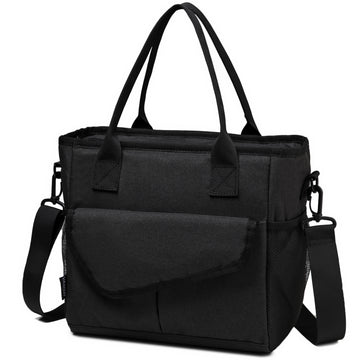
Vaschy lists the Classic Lightweight Messenger Bag at 5.4 liters and describes a front flap, zippered closure and smaller storage positions. Try this format if one compact book and a few personal things are what normally travel. Make sure your tabs or notes clear the opening as you lift the book and then confirm the bag closes. A front or interior position can give the pen a place away from the pages.
Shop the Vaschy Classic Lightweight Messenger Bag in Gray if you want a close shoulder carry with enough access for the reading kit you have measured. Put the thickest edition you expect to carry through its opening. If a larger book would require bending the cover, it belongs in a different arrangement.

Structured tote for a hardcover and a fuller set of discussion notes
Vaschy lists the Canvas Tote Bag for Women at 16.2 liters and describes a structured build and detachable shoulder strap. It is worth trying when you want to stand a paper holder near the book and have more room to reach each from above. Put the folder in first, add the thickest book, then take one out without moving the other. This is a useful trial when you lead the discussion or bring a second edition to share.
Shop the Vaschy Canvas Tote Bag in Apricot if the wider layout makes your book and notes easy to pull out separately. Test it against the chair arrangement and the actual outside size of your folder. Listed volume does not establish paper fit.


Pack the discussion you expect to join
What if I only read digitally?
Use the actual device in its cover and one position for the notes you want to see. Try waking it up and finding the passage in the place you would use at the meeting. The setup may need less space but still benefits from a predictable route out of the bag.
What if the group rotates who leads?
Use the reading setup you carry most of the time and test another layout for facilitation weeks. That can mean two bags serving different roles if you already own them. Change the carry when the amount of paper or the way you reach it changes how you use the table.
Shop the Vaschy Classic Lightweight Messenger Bag for a compact reading kit, or shop the Vaschy Canvas Tote Bag for a hardcover, flat notes and a separate reach for a pen. Use the chair-and-passage test to make your choice.


