What to Bring to a First Science Olympiad Tournament
Plan your assigned events, split shared and personal supplies, and confirm what can enter each room.
For a first U.S. Science Olympiad tournament, start with your actual events and your coach’s instructions. Bring the supplies the current rules allow for each room, then pack a separate personal kit for the rest of the day. Assign one teammate to each shared item and confirm whether any device needs to be checked in before the event.
When one teammate heads to a lab event and another takes a device to check-in, they need different kits. Pack by room and handoff, then work backward to the team’s meeting spot.
Find the rules that apply to your event and tournament
Open the current rules for your division and assigned events, then look at the organizer’s instructions for that tournament. Ask the coach where to find any applicable clarifications or updates. A schedule from a previous year can help you picture the day, but the current rules and tournament directions are what your team should use. If you are attending a competition outside the U.S. Science Olympiad program, follow that organizer’s documents.
The national organization’s general rules describe restrictions on communication-capable electronics during competition unless expressly permitted. Some rooms also have event-specific equipment rules. Keep your phone and other personal electronics out of the event kit unless the applicable instructions allow them. Confirm where they go before you leave the team’s meeting spot. Science Olympiad Code of Ethics and General Rules · National policies
San Diego’s tournament-day guide distinguishes materials for build events and lab events, and calls attention to schedule conflicts. The University of Nebraska Omaha’s tournament guidance includes both event supply checks and team check-in tasks. Those examples show why a single list for every participant will miss important details. Use them to see what questions to ask about your own tournament. San Diego tournament-day guide · Nebraska tournament example

Write a short packing card for each event
Put the event name and its scheduled time and room on the card. List the items your team will bring into that room, the person who is carrying each shared item, and what needs to stay with the coach. If the rules give a specific calculator or note format, use the description in the official rules. If they call for personal protective equipment, verify the exact requirements with your coach. Mark unresolved items “ask coach” so they stand out before you close the bag.
Imagine you have one event that uses a printed resource and another that uses a device carried by your teammate. Keep the printed resource in a labeled folder and mark who has the device. If the event time moves, tell the person who owns the handoff before you move the item. A separate card for each event makes it easier to see what has changed.
Check whether the coach is responsible for a form, team roster or check-in badge. Put that on the team list rather than the personal list. If you are responsible for carrying the paper, give it an accessible spot and agree where the coach can find you. That separates a bag decision from a responsibility that belongs to the entire team.
Plan any impound and the walk between rooms
If the event instructions use the word “impound,” ask the coach to confirm the designated procedure, time and place for handing over the required item. Check what travels with it and when it comes back. Keep an approved device in the team’s prescribed carrier. A personal backpack can hold a notebook and water between events, while the device follows the transport plan the team uses for that event.
Try a rehearsal at the next practice. One person calls out the room and time, another names the item owner, and someone checks whether the next event needs anything from the same kit. If two commitments overlap, tell the coach. They can check the tournament’s current conflict process or help the team decide how to assign the work. Do not assume you can arrive late or hand an item to a supervisor outside the posted procedure.
Rehearse a schedule conflict without moving equipment early
Imagine a teammate is responsible for a build item and also has to check in for a different event. Put their name and both times on the team sheet. Ask the coach who is authorized to handle the device and when the handoff can take place. Keep the person, the event and the carrier together on the sheet. If the plan changes on tournament morning, update the copy the team is actually using and tell the person who had the original assignment.
Keep organizer directions for pickup with the event card. A teammate who finished their event earlier may still be the one assigned to collect a shared item afterward.
Pack the personal bag for time between events
Keep the route, meeting instructions and personal supplies in the bag that will stay with you or at the team’s assigned spot. Put any drinks or snacks where they can stay away from papers and use them where the organizer permits. Keep items for one event separate from another event’s materials. You can carry a second labeled pouch instead of trying to remember which pages may go into a room.

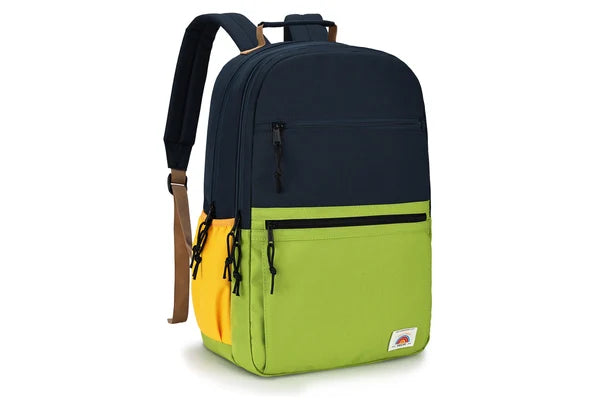
If you need a school bag for your personal supplies, the VASCHY Lightweight Classic Backpack listing describes two main compartments. Compare those compartments with your own folders and personal items. Keep team devices and regulated event supplies in whatever arrangement your coach specifies. Shop the Blue Green VASCHY Lightweight Classic Backpack.
When an event ends, return any shared items to the place you agreed on, then check the next event card before walking away. At the end of the day, account for borrowed equipment, paperwork and personal items. Save a copy of the packing cards with notes about what changed so you can build the next tournament’s plan from the current rules.

If your personal kit needs a replacement backpack for school and events, check its opening with your actual folder and water bottle. Shop the Blue Green Lightweight Classic Backpack for your personal kit.


