How to Choose a Bag for Estate Sale Shopping
Check the listing, plan a small bag for browsing, and use a separate carrier for purchases when permitted.
Choose a bag for estate sale shopping after you know what can go through the door. If the organizer allows a small purse, carry a close-worn crossbody for payment, your phone and the measurements you brought. Keep a separate carrier for purchases if the sale permits you to retrieve it after checkout. For a fragile piece, pack the piece in its own rigid container before you decide whether it belongs in a tote.
Decide what goes through the door before you choose what will carry your purchases home. You may do one with your hands free and the other with both hands supporting a box. Plan each before you leave home, especially if your car will be several blocks away.
Read the bag rule before packing anything
Look at the individual sale listing or ask the organizer what it allows. Fresh Start Estate Liquidators’ tips for shoppers mention clear bags and the option of using a shopping basket when one is provided. Dallas Estate Liquidation says it provides bags for small items and suggests bringing your own materials for fragile finds. Each is describing its own operation. Your sale may have a different entry rule or a designated spot for wrapping paid purchases.
Ask separately whether you can bring in a personal bag and where you can pack a purchase after paying. When entry is pocket-only or clear-bag-only, leave the opaque crossbody and tote out of the entry plan. If the sale offers a hold or pickup arrangement, confirm how it works before relying on it. The goal is to avoid standing at the door with a carrier you cannot take inside and nowhere to put it.
Keep the browsing kit close and small
Start with your phone, the form of payment the organizer accepts, and a short list of what you are looking for. If dimensions matter, keep them on one small card or in an open note on your phone. Pack a compact tape measure if you will use it and the organizer allows it. A shallow spot for a receipt helps when you want to put it away without shuffling the rest of your kit.
Try the bag over the layer you expect to wear. Walk through a doorway and turn as you would in a narrow room. Reach for your notes, put them back and close the bag. If the strap hangs too far behind you or the pouch swings when you lean, try another position or a smaller carry. Leave enough room to bring your hand back out of the pocket without catching a ring or a bulky sleeve.
Make one pocket do the checkout work
Imagine you pick up a small lamp and have to set it down before you can pay. Give the payment item and the place for its receipt a clear location. Leave your notes in a separate spot if they keep getting in the way. After checkout, keep the receipt easy to show until you have collected everything that goes with the purchase.
When shopping with someone else, decide who is handling checkout and who is collecting the item. They may need to go to different places. Keep the organizer’s instructions accessible, and ask staff before taking a piece to a packing area. A compact bag makes it easier to carry the same little kit throughout the sale without using the purchase carrier as temporary storage.
Pack a practice purchase before trying a tote
Pick a small box you already own and use an ordinary mug or another item of comparable size to represent the purchase. Support it in the box with suitable packing material and close the box as you would for the trip. Measure across the lid and any edges or tabs. Leave space to lift it by the base. A tote is useful when the whole box can enter and leave while level.
Set the tote down and lower the closed box into it. Then lift the bag and see whether the base pulls in around the box. Walk a few steps and set it down again. If the box tilts or is difficult to lift back out, carry it separately. Keep the fragile piece supported by its own packaging throughout the trip.
Test the route after checkout
Compare a short trip to the car with the trip you actually make on foot or by transit. A box may be easy to carry directly for a few steps and awkward to hold while opening another door. Test both hands on the box. Put your keys or transit card in a place you can reach before picking it up. If a tote moves the box away from your center and makes it harder to control, use the box on its own.
For an item with a projecting handle, consider whether a deeper, wider or differently shaped box works better. Do the whole test with that box instead of adding loose objects to fill a bag. For a framed piece or an especially delicate find, choose the carrier after seeing its actual shape. Keep the tote for small goods it can handle without changing your grip.
Practice a two-piece pickup
Suppose you intend to buy a small bowl but also find a stack of linens. Wrap and box the bowl on its own. The linens can occupy the remaining space if they don’t press on the box or make it difficult to lift out. Try this with an empty box and a few towels at home. Stand the box level on the base and see whether there’s a natural place for the soft load beside it.
Keep the seller’s receipt where you can show it even after the tote is packed. If you’ll have to return later for something else, record the pickup instructions in the same spot as the receipt. Carry only what can leave with you on that trip. A bag that works on the walk home is useful even if you need another plan for a larger item.
For shopping on foot, rehearse the first doorway, your last few steps home and setting down the load. You may find that carrying a stiff box in both hands is better for a particular item. Keep the tote for purchases you can set down and lift without changing their position. The value of the small crossbody is that your browsing items can stay where they were while you work this out.
Two Vaschy bags for separate parts of the sale
Classic Lightweight Messenger Bag for the browsing kit
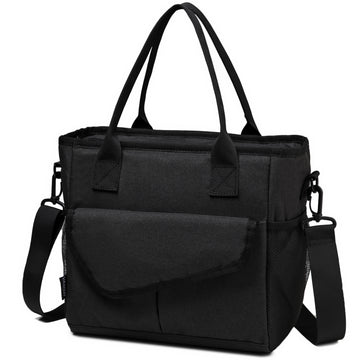
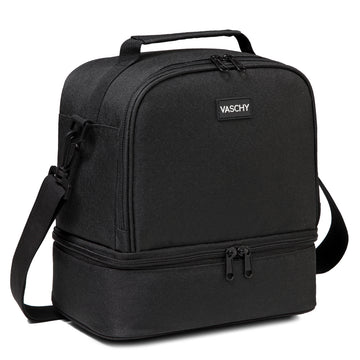
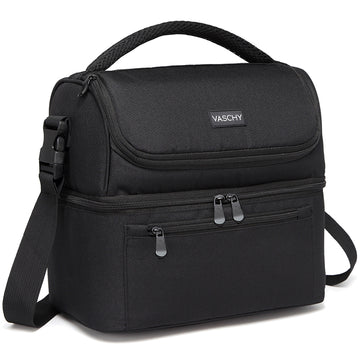
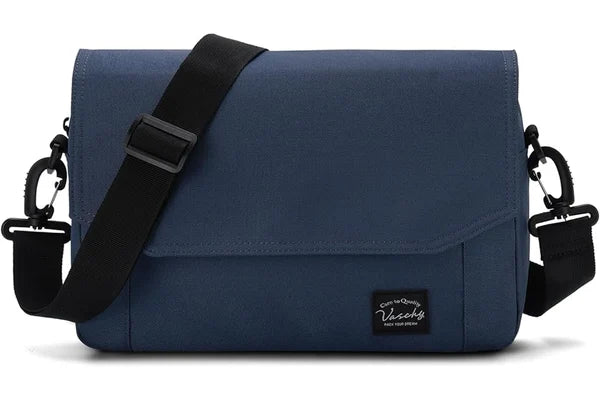
The Vaschy Classic Lightweight Messenger Bag is listed at 5.4 L and has a front flap and zippered closure. If the organizer allows a small opaque bag, try it with a phone, a payment pouch and a thin list of measurements. Check the position of the opening over your coat before you wear it through the sale. Shop the Vaschy Classic Lightweight Messenger Bag in Blue. Gray is shown below.

Canvas Tote Bag for packing after checkout
The structured Vaschy Canvas Tote Bag for Women is listed at 16.2 L and has a detachable shoulder strap. Compare it for small wrapped goods or a closed box that passes your level lift test. Use the real container to check the opening and base, and keep the tote at the car when the seller asks shoppers to leave larger bags outside. Shop the Vaschy Canvas Tote Bag in Apricot.

People who mostly browse and buy one or two small pieces can start with the permitted personal bag and a spare box. If you regularly buy small items that travel well together, a second carrier gives you a place to put them after the sale. It also keeps your purchase packing separate from the phone and wallet you reach for at checkout.

Choose for the step you repeat
For the essentials you carry while browsing, shop the Vaschy Classic Lightweight Messenger Bag if your sales allow one. For a pickup carrier that works with your containers, shop the Vaschy Canvas Tote Bag. Check the listing before each sale and try the tote with a practice purchase rather than relying on how wide it looks empty.


