School Book Fair Checklist: Payment, Picks and the Trip Home
Set a budget your child can use, check how the fair takes payment and leave space for the books that come home.

A school book fair checklist has three jobs: tell your child how to pay, give them a way to choose when their first pick is gone, and leave a place in the bag for the books they buy. Start with the school's notice. The useful details are your child's shopping time, whether a family session is separate and what the register accepts during that slot.
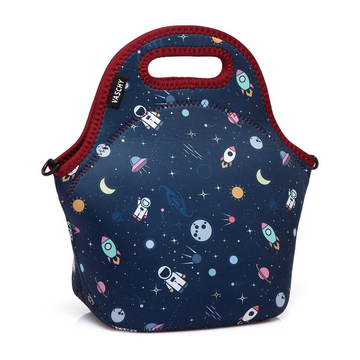
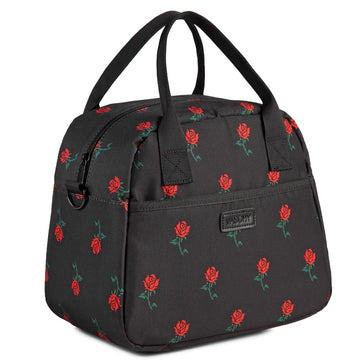
Before you clear space for a new book, put the lunch bag and take-home folder back in. Those items may still be in your child’s backpack when their class gets to shop.
Check the register before you send payment
Find the school’s actual fair page or message. A family shopping evening may have different arrangements from a visit during class. One Wisconsin school’s book fair notice, for example, ties certain phone-based payments to a particular shopping window. That is a reason to confirm your own slot, not a rule to apply to every fair.
- Cash: If the school accepts it, choose an amount you are comfortable sending and follow any envelope or labelling instructions. Put it where your child can find it without emptying the bag.
- School-approved cashless payment: Check the exact service, how the register identifies your child and whether you need to send anything. For participating U.S. fairs, read the Scholastic eWallet terms before loading money, including what can happen to a leftover balance. Scholastic Canada’s family guide describes a different cashless option. Confirm what your specific school supports.
- Family visit: If a grown-up is going to pay, make that clear before the class browsing session. A child can still write down titles during the school day.
Set one total. If a fair applies tax or has a minimum for a certain payment method, ask about it before sending an amount equal to the advertised price of the first choice.

Send choices your child can use in line
Use a small piece of paper, not the entire flyer. Write the first title, a backup and the maximum total. A description such as “a funny animal book I can read on my own” gives a child something useful to tell a volunteer if both titles are gone. If the budget is for books only, put “books only” on the card. It’s easier to remember a short instruction than to work out the rule beside a display of erasers.
For example, Maya has a $12 limit. She writes down one graphic novel she wants, then a paperback she would also be happy to read. If the novel is over the limit after the cashier checks the total, she has two acceptable choices: buy the paperback or wait. Maya can come home with change or no purchase at all. Either outcome is fine if that’s the plan she knows.
For two siblings, make two separate cards. If their shopping times differ, don't send one shared envelope and assume the first child can hand it off. If your child would rather browse than buy, a title or author on the card is still a useful thing to bring home and look up at the library.
Leave space for a book you haven't seen yet
A flyer can help you choose a title. It can’t show whether the book’s corners will clear a zipper with a lunch bag inside. Try a book you already own in the approximate format your child likes. Keep the usual take-home folder inside for this test. Can your child slide the book in without bending its cover, close the zipper easily and take the folder out again at home?
A spare clean bag may be useful if the school allows one and the school backpack is already full. For the bookbag itself, keep the lunch container shut and the water bottle separate from paper. If the fair supplies a shopping bag, decide where it will go before the bus line. The school may have its own rules about what students may carry loose.

If you were already replacing the school bag, shop the VASCHY 15-inch Lightweight Backpack for Kids in Vehicles. The product listing gives a capacity of 11.5 L; that figure cannot tell you whether a large picture book will slide through the opening. Try the normal school load and a similarly sized book together before deciding. “15-inch” identifies the listed style here, not the size of book the bag guarantees to hold.
Give the receipt a home
Before you pay for anything ahead of time, check whether the fair is selling a book to take home immediately or taking an order for later. If a title will come later, keep the confirmation where you can find it on pickup day. Your child doesn’t need to save space for a book that won’t be handed out that afternoon.
Ask your child to put the receipt, if provided, with the choice card and to bring home any change according to the school's instructions. Keeping the record separate from the book makes it easier to see what was purchased without opening and closing every cover. If your child came home without a book, ask what they spotted first. You can look for the title later without treating the shopping trip as a failed errand.

Ready to replace the everyday bookbag? Shop the Vehicles VASCHY kids’ backpack after checking the opening against your child's folder, usual lunch and a book like the one they would pick.


