How to Choose a Bag for Quilt Show Shopping
Keep swatches and patterns easy to reach while you browse, then leave room for folded yardage in a tote or messenger bag.
At the booth, you want to find one swatch without digging past the fabric you just bought. Choose a quilt show shopping bag with an accessible spot for samples and room for the purchase you expect to take home. A structured tote suits shoppers who want to see purchases from above. A messenger bag can work if you prefer to keep a smaller project kit close as you compare booths.
Try each bag once with the things you bring in and once with the size of purchase you expect to take home. If you are taking a workshop as well, follow its own supply list. This guide covers the shopping bag you carry through the exhibit and vendor areas.
Bring one project you can shop for on purpose
QuiltMap’s guide to attending a quilt show distinguishes looking at quilts from shopping the vendors. The American Quilter’s Society’s first-visit guide gives attendees a way to plan around the show’s different activities. Check your specific venue’s bag rules before arriving, especially if you plan to take a larger carrier through an exhibition aisle.
Make a small reference kit for one project. Put a swatch or useful picture with the pattern name, quantities still needed and any finished block you plan to compare against fabric. Broadcloth Studio’s fabric-shopping guide starts from what you already have and what you need to fill a gap. A narrow shopping brief also keeps your bag lighter. A ring of swatches or a few marked samples can save space compared with taking a large stack of fabric.
Keep the working samples separate from paid fabric
Give your samples a dedicated pouch so you can show one at the counter, put it back and move on. A flat sleeve can hold printed quantities, paid receipts or a pattern envelope without leaving paper loose among fabric bundles. If you plan to buy a rigid template, measure it from the corners and include any packaging. Test whether it can travel flat without blocking the pouch you use at every booth.
Practice the vendor loop with one hand occupied
- Find the reference kit. Stand with the bag in the position you expect to wear it. Take out the swatch you need and check a written measurement. Try again with a folded yardage bundle in the other hand.
- Return it without losing the receipt. Choose a predictable spot for both. A shallow sleeve might work for a slim list. If you prefer a zipped pouch, check that its opening is easy to find and use.
- Pack the purchase off to one side. Step out of the active checkout space and put the new fabric away. Check that the bag can close and you can get the swatches back out at the next booth.
If you can reach everything only by setting the bag flat on a table, plan to do that at a permitted rest spot or choose a bag you can open in the way you actually want to use it. A shoulder bag that swings away when you try to open its flap may need a different strap position. A top-loading tote may be easier to handle if you can set it safely beside you when you need two hands.
Buy for the fabric you might bring home
For a few fat quarters, mimic the stack with folded fabric you already own. If you’re shopping for backing yardage, use a larger folded piece of comparable bulk as a trial. Include one pattern envelope and any paper you want to keep flat. Use the folded fabric to check the opening, then see whether you can still pull out a paper pattern without bending it.
Make a separate plan for an awkward item. A long ruler that sticks out of your bag may be easier to carry in its original packaging or buy on your final pass. When the venue offers pickup or another authorized way to handle larger purchases, check the details before relying on it. You may enjoy the exhibition more if you can save the bulky part for your exit.
Practice going back to a booth
Imagine that you buy a pattern first, then see two fabrics you could use for it. Give each option a quick note with the booth number and the sample you compared. Keep the notes close to the project card. If you put them in the same pocket as your wallet, test whether you can pull one out without dislodging another.
Once you buy yardage, keep the label or receipt with that bundle. You might need the vendor or fabric information again later. A simple folded paper sleeve can hold the paperwork for the day. For a much larger purchase, plan a break between the shopping and the exhibit so you can remove the bulky items where the event allows it.
On the mock trip home, do a final swatch check. If a fabric bundle blocks the pocket you used all day, change where you stow the paid fabric or choose the carrier that gives the bundle its own space. If everything you need fits a small bag and one larger purchase is unlikely, leave the bigger carrier for a day when you know you will use it.
Compare two Vaschy bags with your swatches and yardage
Canvas Tote Bag for a folded purchase and a flat sleeve
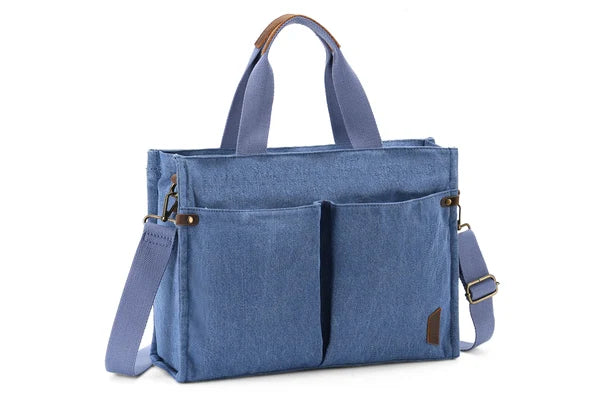
The Vaschy Canvas Tote Bag for Women is a structured tote listed at 16.2 L and has a detachable shoulder strap. Compare it when you want to set the bag down and put a folded bundle beside your pattern sleeve. Check whether your own envelope fits with the fabric inside. Shop the Vaschy Canvas Tote Bag in Denim Blue. The same model is shown in Army Green below.

Large Canvas Messenger Bag for booth-to-booth access
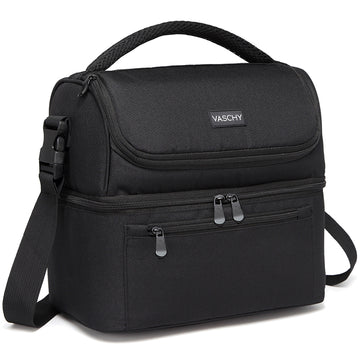
The Vaschy Large Canvas Messenger Bag is listed at 18 L and has a front flap with two buckles. Compare it if your first priority is keeping a compact swatch kit with you through the aisle. Try the buckle operation while holding your mock purchase. Use the flap pocket or another accessible spot only if your swatches fit and you can close it with the bag loaded. Shop the Vaschy Large Canvas Messenger Bag in Denim Blue.

The messenger’s published capacity is larger, but the difference is less useful than seeing where your fabric and papers sit. Try turning in a doorway with each loaded bag and removing the same swatch. If a purchase makes the messenger awkward to open, the tote’s shape may suit the trip better. If most of the day is walking with a few samples, the messenger may feel like the simpler carry.

Leave a route back to the car, hotel or bus
Before you go, put one full mock purchase in the bag and take it for a short walk. Add the outer layer you expect to wear and check what happens when you sit down. If the fabric fills the bag completely, leave a plan for the second purchase or limit what you pick up until your last pass. Keep the project reference separate from the folded fabric so you can return to the right booth with the right sample.
For a structured shopper you can try with folded yardage, shop the Vaschy Canvas Tote Bag. If you prefer a close carry and have a smaller shopping list, shop the Vaschy Large Canvas Messenger Bag. Use your own project kit and one realistic purchase in the final test.


