What to Pack for Your Child’s First Basketball Practice
Choose a bag your child can open at the gym door and repack after their first basketball practice.

Pack for the gym door first. Put the indoor court shoes where your child can reach them first, give the closed water bottle a spot they can find on a break, and ask whether the coach wants them to bring a basketball. A backpack can handle a small personal kit if it passes the shoe swap. A kids duffle is worth comparing when there are more layers or the child prefers to open the bag on a bench. A requested ball can have a carry plan of its own.
Try the return load before you leave. The shoes your child wears to the gym may spend the practice in the bag, then trade places with the court shoes. The bottle can still be partly full. A sweatshirt may be carried home instead of worn. Try the bag in both directions while the coach’s list is still in front of you.
Ask who supplies the basketball
Read the team’s message for the shoes, clothes and bottle, then check who supplies the ball. Some organizers may supply one during practice, distribute one to keep, or expect the player to bring a specific ball. If the message is unclear, ask the coach what they want at the first session and whether a ball issued there goes home the same day.
HoopLife’s first-practice guide asks families to bring a ball and notes that its program has spares. The Hamilton Basketball Association FAQ lists a ball among the equipment included in the programs it describes. Use the message for your child’s actual group to choose which plan applies.
- The coach supplies the ball for the session. Pack the personal gear and leave the ball at the gym as directed. Try the bag with shoes, bottle and the clothes your child will use.
- The coach distributes a ball to take home. Ask how it is handed out and whether the player is expected to bring it back each week. Plan to carry it home even if your child’s bag is small on the way in.
- The coach asks for a ball from home. Bring the requested ball. Try it with the full shoe and clothing load, or use a separate carrier intended for a ball if that works better for your route and the program allows it.
Use the actual ball for a fit test. A round object has to clear the narrowest part of the opening with the rest of the bag already packed. If the ball needs a shove past the zipper or the shoes have to come out every time, try a separate ball carrier. Leave the bag closed during the walk. A listing’s volume is a starting point for a personal kit and tells you little about the opening around a rigid or round item.
Run the shoe change in both directions
Confirm what your gym expects. The Dartmouth Lakers’ practice FAQ includes indoor sneakers, gym clothes and a water bottle in its local instructions. Your coach or venue may also say which entrance to use or where shoes go during practice. Ask where the child is meant to change before planning to use a particular bench or cubby.
Start with the court shoes together in a removable pouch that suits your pair. At home, sit your child beside the packed bag. Have them take out the court shoes and find a place for the pair they wore in. Try the same move in reverse. Some outdoor shoes are wider or bulkier than the court pair. The return arrangement may also include the layer that came off on the way into the gym.
Give damp clothing a separate removable wrap or pouch if your child brings it home. Keep it away from any dry clothes and the rest of the personal kit. Try the bundle with a dry stand-in folded the way your child actually packs it. Let the child fold the shirt and put the shoes back as they would at pickup. A bundle you made on the kitchen table may fit more neatly than theirs.
Use a pocket that works with the actual bottle. With the lid closed, put it where you expect it to ride and make sure your child can lift it out and return it without opening the shoe pouch. If it rides inside, keep it upright in a spot that makes sense for the bottle and bag. If a side pocket is loose with that bottle, try a different place. A labeled bottle is also easier to recognize at pickup if the program requests a label.
Try the load from home and from school
Imagine a child going straight from home to practice. They wear the clothes the coach asks for and carry a bottle, the court shoes and a light layer. If the program supplies the ball, check whether the bag they already use handles this small load. Let your child choose a pocket they can reach and a place for the shoes that doesn’t put the bottle in the way.
Now picture the same practice on a school day. A folder and lunch container may already fill the bag when the court shoes need to go in. Try retrieving the court pair without moving the school kit onto the floor. The Vaschy school backpack packing checklist can help you map the daily load before adding sports gear. If the shoe exchange crowds the papers or makes the bag hard to close, a second carrier for practice may be simpler.
Ask your child to close the bag and carry it a short distance with the jacket they normally wear. Have them put it down where they expect to change and take out the shoes on their own. Set the bag on the floor for this check. The zipper might feel different to a child sitting on a low bench. Let the person who’ll carry it make the first reach and show you what needs to move.
Use the same test if someone else is picking up
Imagine the caregiver who packed the bag is at work by the time practice ends. The adult doing pickup needs to know whether the child brought the ball or borrowed one. The child needs to know which bag pocket takes the return shoes and where the water bottle goes. Walk through that handoff at home without unpacking the bag for them. If a child finds the right pocket but can’t get it closed with the bottle in place, move the bottle and try again. Leave the bag open only where the venue allows during the change.
On a rainy day the child might arrive in a bulkier outdoor pair. Test the size of those shoes separately from the court pair and decide whether the gym lets the outdoor pair stay in a different place. Keep the clean and used items in the right pouches and check for room before adding the ball. If practice follows a school day and the papers still have to come home in the same bag, keep the papers in their ordinary spot during the test. This keeps you from choosing a bag around a load your child will rarely carry.
Compare a kids duffle with an everyday backpack
A duffle for a kit that comes out together
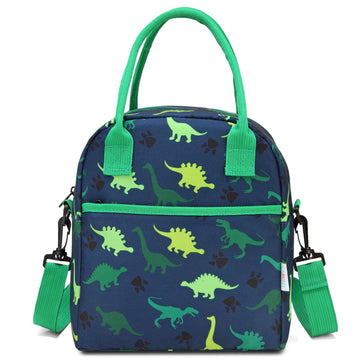
The Vaschy Kids Duffle Bag is listed at 24.1 L, with carry handles and a detachable shoulder strap. Compare it when your child will set the bag beside a bench and wants to see the shoe pouch and change of clothes together. Put the larger shoe pair in its wrap first, then add the layer and closed bottle. Shop the Blue Dinosaurs Kids Duffle Bag if your child can lift the loaded bag, work the opening and find their kit without help.

Test the handles and the strap with the same load. Ask your child to put the duffle where it would sit while they change and to close it afterward. If the strap trails where people walk, use the carry mode that lets you keep it clear and follow the gym’s storage instructions. A duffle can also be the practice bag you hand off at the gym while the regular school backpack stays with the caregiver or in another permitted place.
A backpack when the personal kit is small
The Vaschy UltraLight Backpack listing describes a zippered main compartment, a front zip pocket and two side bottle pockets. Compare it when you’ll walk or take transit and the child prefers two shoulder straps for a smaller kit. Try the actual bottle in a side pocket and test the shoe pouch through the main opening before adding the layer. Shop the Midnight Blue & Pink UltraLight Backpack if the personal kit clears the opening and your child can reach the items in the order they need them.

Put the packed backpack on a chair at home and have your child take out the court shoes. If the first move is to pull out the sweatshirt and set it down, try a different packing order and repeat the test. Let the shoes share space with the clothes only if the child can keep the pairs wrapped as planned. Keep anything required for check-in, such as a note from the program, with the adult or in the accessible place the child already knows.
Make the last reach before you leave the gym
At pickup, ask your child to account for both court shoes, the closed bottle, their layer and any ball they’re meant to take home. If another adult is picking them up, tell that adult what should come home. That matters especially when the program issues something on the first day that wasn’t in the bag at the start.

At home, empty the removable pouch and follow the care instructions for the clothes and bag. Keep the bottle in the usual spot after it has been taken care of. Before the next session, check whether the coach gave any different equipment instructions. Repeat the fit test if the coach adds a ball or if the child starts bringing a second layer.
If your child prefers to reach into a bag set down beside the bench, shop the Blue Dinosaurs Kids Duffle Bag after the two-way shoe test. If they want two shoulder straps for a smaller kit, shop the Midnight Blue & Pink UltraLight Backpack after checking the bottle and shoe pouch. Decide how the ball travels before choosing either bag.


